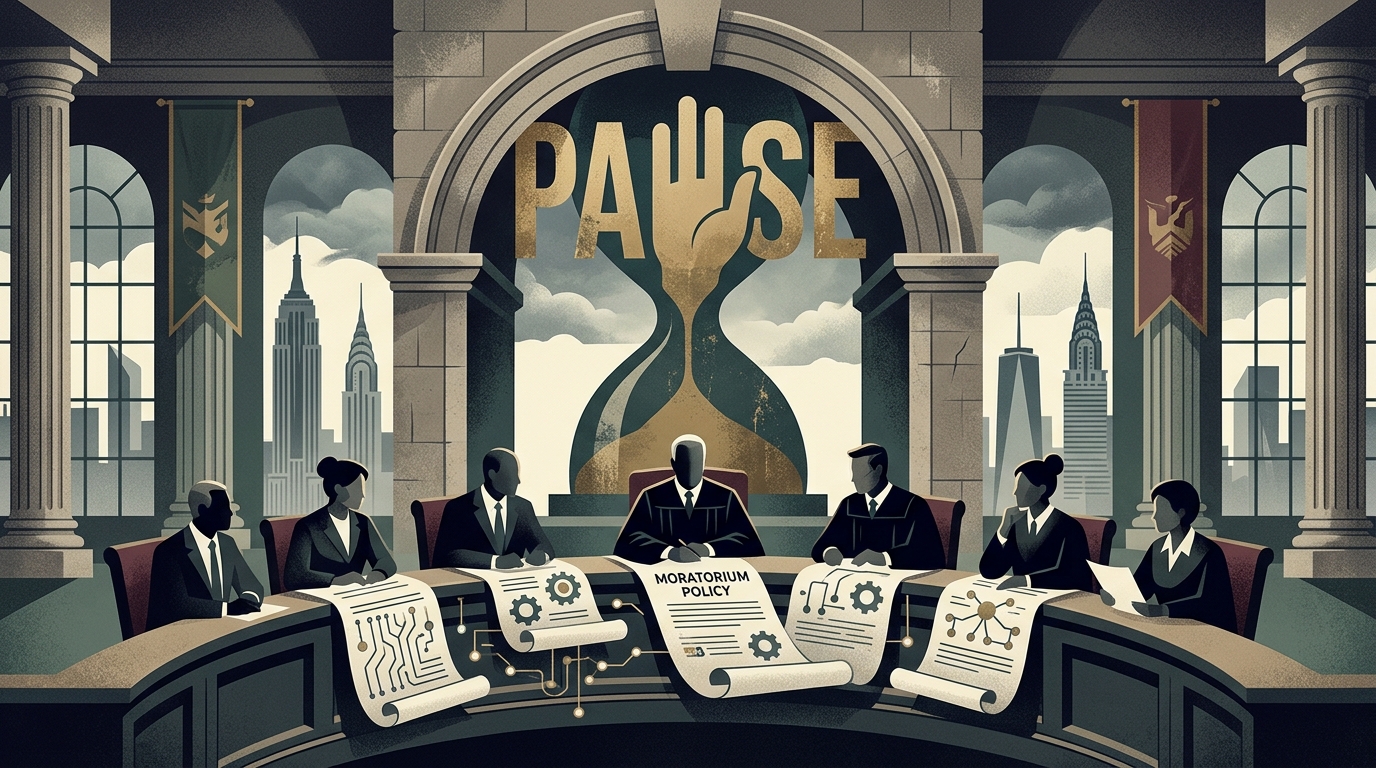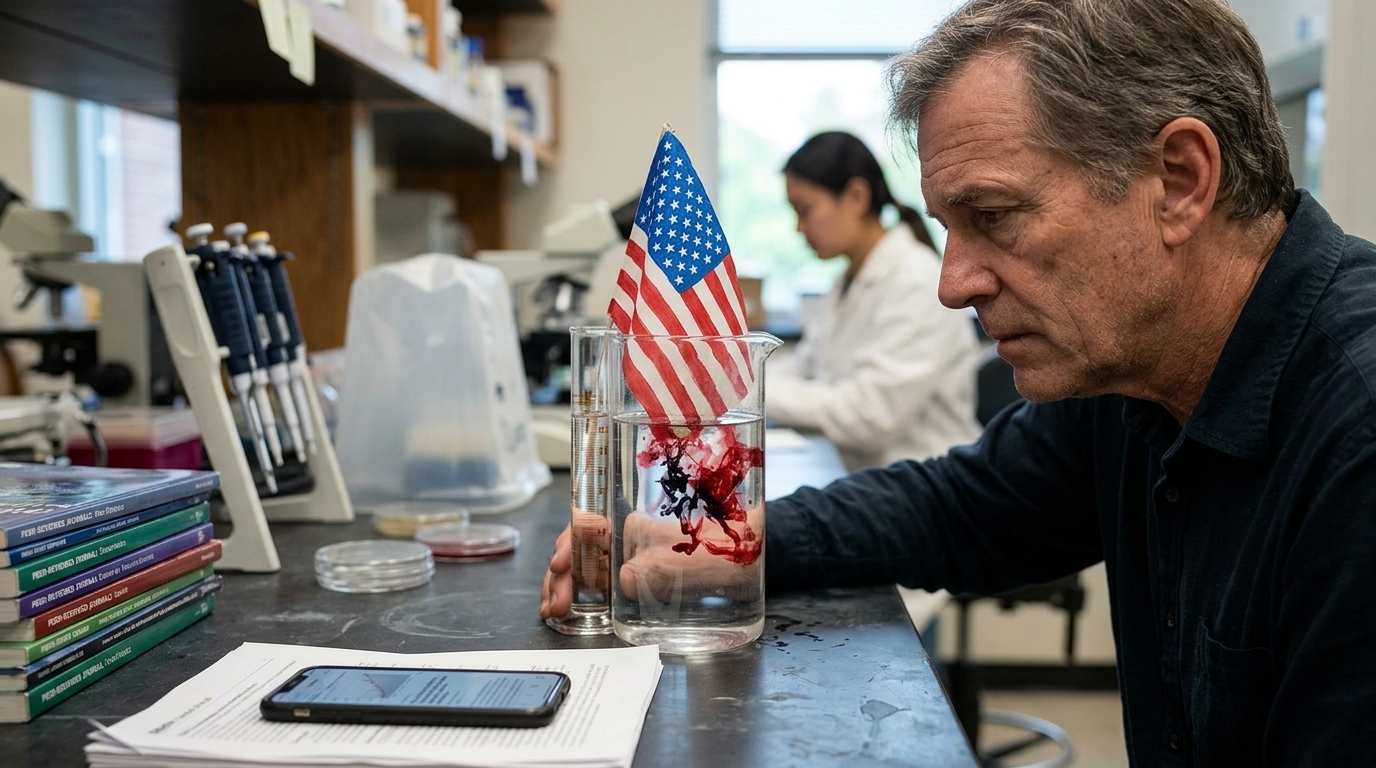
American scientific pre-eminence, built on the bedrock of research autonomy and merit-based funding since World War II, is facing an existential threat. This is not a simple budget cut; it is a structural reimagining of how the state perceives and controls knowledge. On May 29, 2026, the Office of Management and Budget (OMB) issued a 412-page proposal to revise federal financial assistance. Under the guise of administrative streamlining, it introduces mechanisms that could be used to purge research programs deemed 'politically inconvenient.'
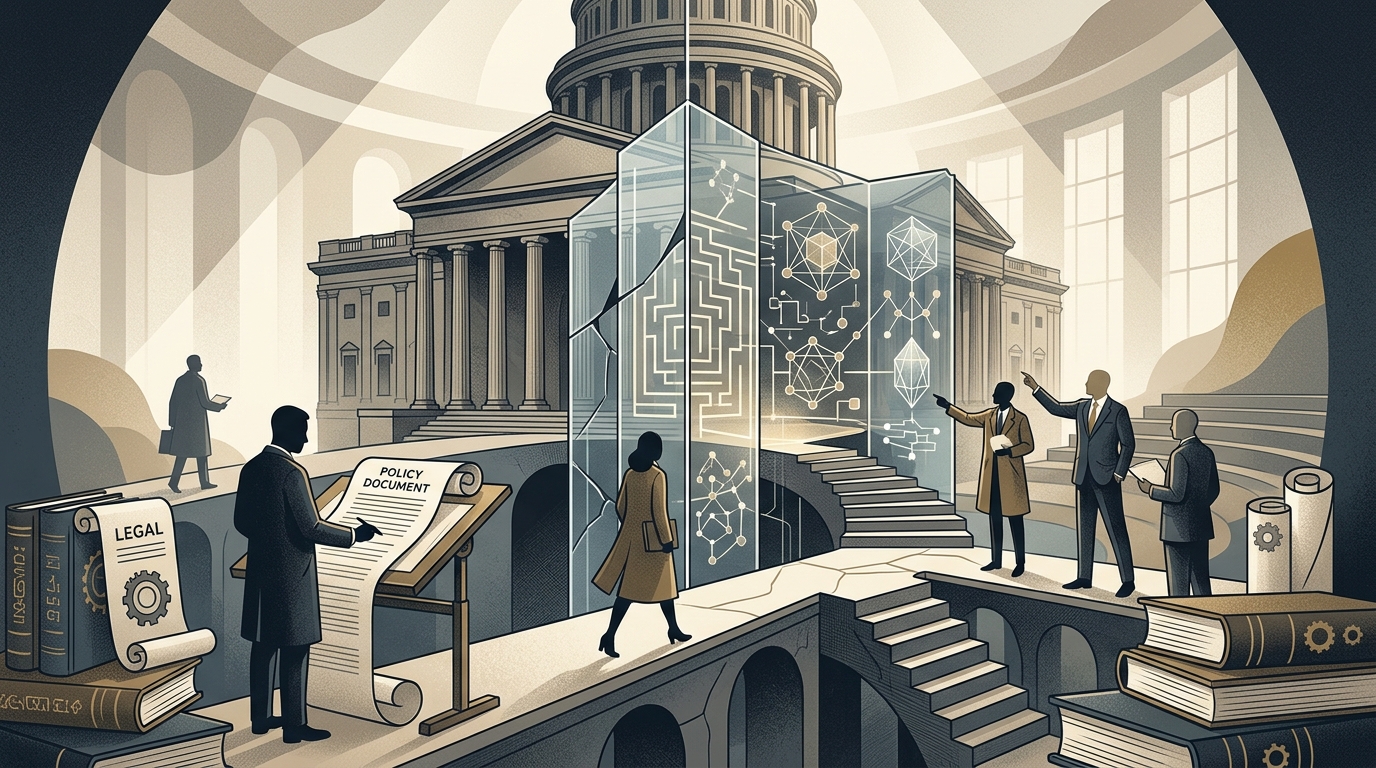
The Administrative Trojan Horse
The core of the proposal lies in amending the 'Uniform Guidance' (2 CFR 200), the set of rules governing how federal agencies distribute billions of dollars to universities and research centers. While the administration's rhetoric focuses on dismantling Diversity, Equity, and Inclusion (DEI) programs—collectively labeled the 'woke agenda' by conservative circles—the implications go much deeper. The new language allows political appointees to intervene in the peer-review process, questioning the 'merit' of research concerning climate change, public health, or the social sciences.
- Undermining independent evaluation by scientific panels.
- Introducing vague 'national interest' criteria for grant approvals.
- Creating a climate of self-censorship within academic circles.
This approach is dangerously reminiscent of historical precedents where ideology was forced upon empirical data. When politicians decide which science is 'useful' based on current partisan skirmishes, objectivity is sacrificed on the altar of polarization. Researchers will no longer compete solely for innovation, but for compliance with an ever-shifting ideological framework.
The Risk of Brain Drain and Global Competitiveness
Science is inherently international and collaborative. If the US makes its research environment hostile or overly bureaucratic with ideological filters, the world's top scientists will seek refuge elsewhere. Already, the European Union and China are strengthening their own research ecosystems, offering a stability that Washington seems to be losing. The loss of human capital is not easily reversed. A scientist who leaves a lab at MIT or Stanford due to political pressure takes with them decades of expertise and potential patents that would have fueled the American economy.
“Science cannot flourish in an environment where the next grant depends on whether the results align with the party line of the day,” says a member of the National Academy of Sciences.
Furthermore, targeting social sciences under the pretext of fighting 'wokeism' deprives society of the tools to understand its own problems. The study of inequality, demographics, and social behavior is not a luxury; it is essential for effective public policy. Without these data, the state is flying blind.
Resistance and the Future of Knowledge
Despite the grim outlook, the scientific community is not passive. Organizations like the AAAS (American Association for the Advancement of Science) have launched awareness campaigns, emphasizing that research freedom is constitutionally protected. However, the battle is now being fought in the minutiae of administrative regulations, where public attention rarely reaches. The OMB's ability to reshape the state 'from within' is a powerful tool that requires constant scrutiny from the judiciary and civil society.
Ultimately, the war against 'woke' in science is a war against the very methodology that made the modern world possible. If truth becomes a byproduct of political expediency, then the end of American scientific hegemony will not come from external enemies, but from the internal erosion of its institutions. The need for science free from dogma—whether from the left or the right—is more urgent than ever.