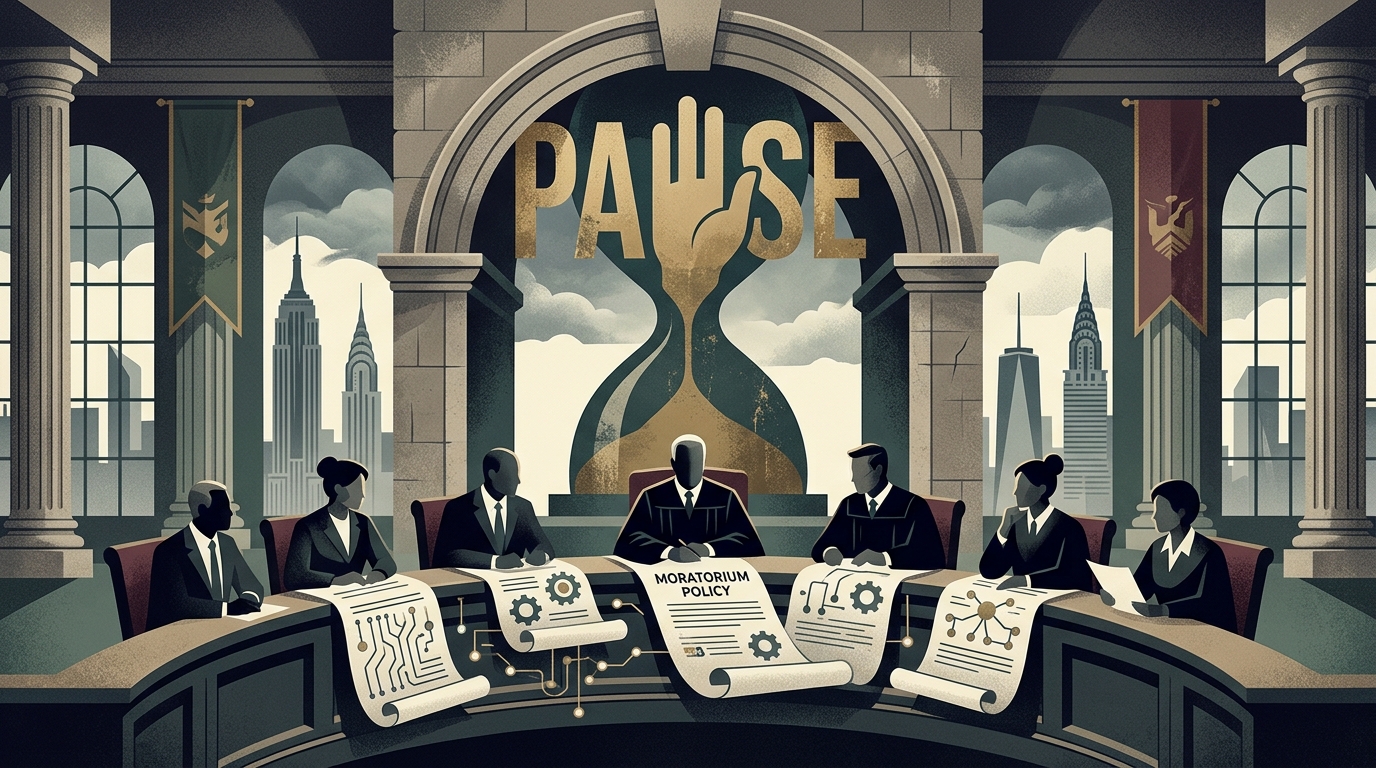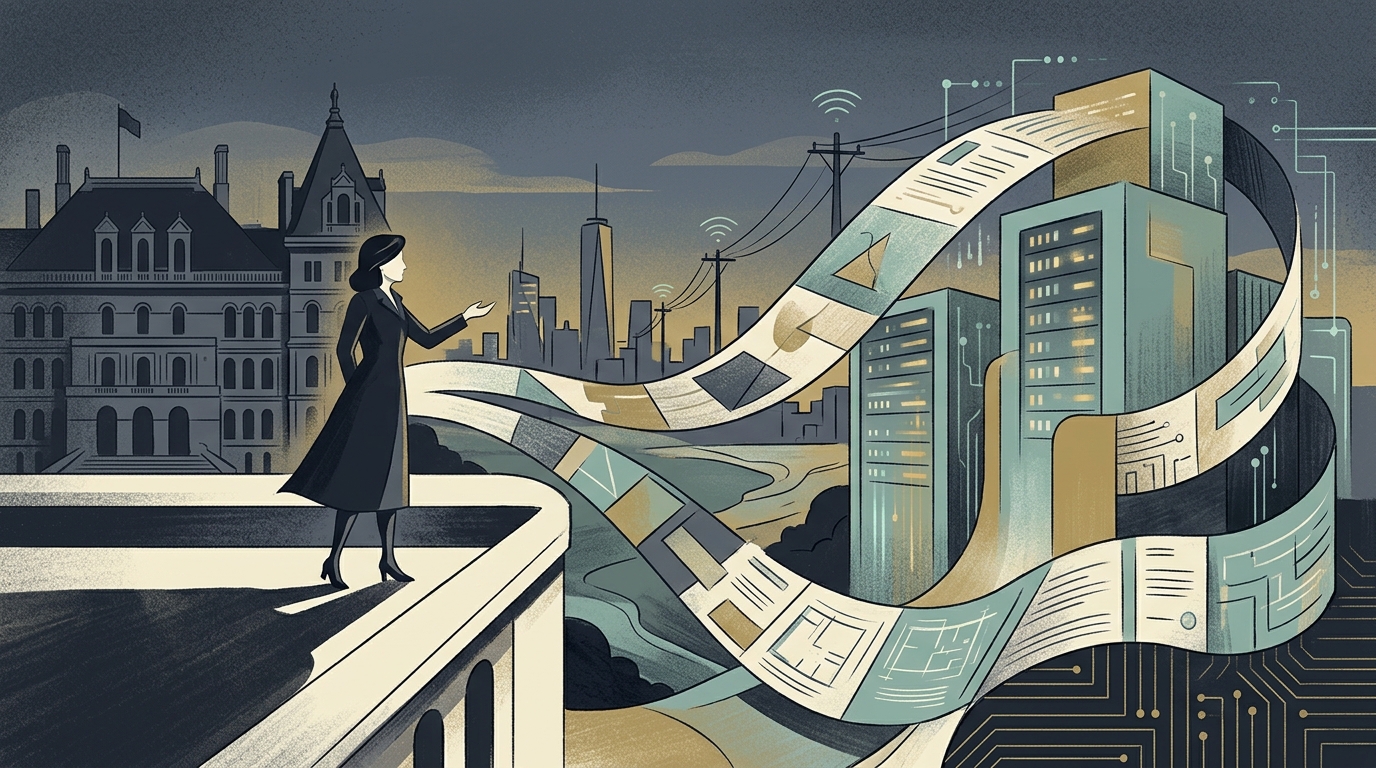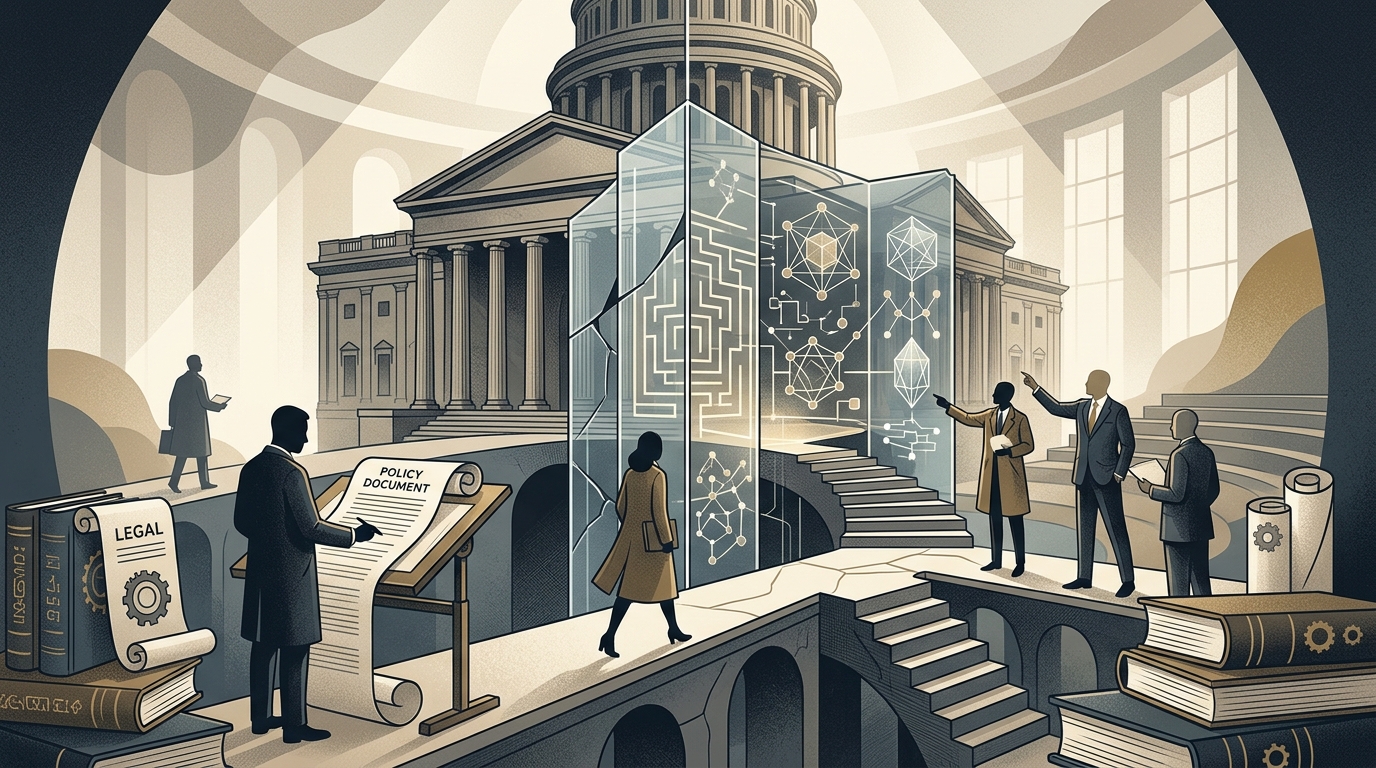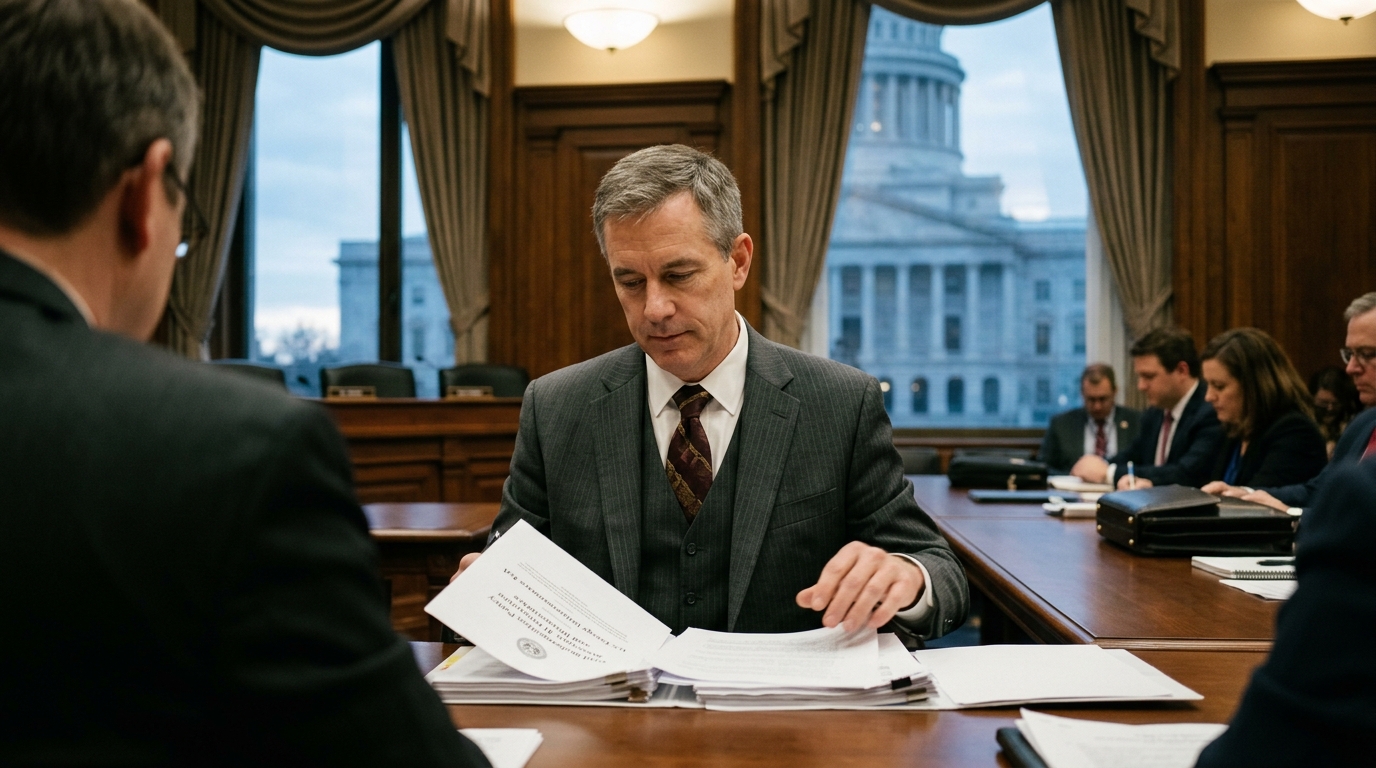
As we navigate the middle of 2026, the grand promise of Artificial Intelligence (AI) for a new industrial revolution is hitting an unexpected but formidable wall: electricity infrastructure. In the United States, the debate over how—and by whom—massive data centers will be powered has escalated from a technical nuance to a major political and economic crisis. Energy regulators are under suffocating pressure to rewrite the rules of the game as demand from tech giants threatens to destabilize the national grid and send consumer utility bills skyrocketing.
The 'Copper Wall' of the Digital Era
For decades, electricity demand in the U.S. remained relatively flat. However, the advent of large language models and the relentless need for algorithmic training have shattered every forecast. Data centers are no longer mere server warehouses; they are energy 'black holes' requiring gigawatts of power, often in regions where the grid is already stretched to its limits. The Federal Energy Regulatory Commission (FERC) is now inundated with requests to revise tariffs and connection priorities.
The central question dividing Washington is simple yet profound: Who pays for the infrastructure upgrades? Historically, the cost of grid expansion was often socialized across all ratepayers. But with Big Tech's requirements growing exponentially, local communities and regulators are pushing back. There is intense pressure for companies like Microsoft, Google, and Amazon to shoulder the full financial burden of the new transmission lines and power plants required exclusively for their operations.
The Shift to Nuclear and 'Behind-the-Meter' Solutions
In this high-stakes environment, tech companies are not standing still. We are witnessing a historic pivot toward nuclear energy. Recent deals to restart decommissioned nuclear plants or install Small Modular Reactors (SMRs) directly adjacent to data centers represent the new 'behind-the-meter' strategy. By doing so, companies aim to bypass the public grid entirely, securing stable, carbon-free power 24/7.
- Autonomy: Data centers are seeking energy independence to avoid the bureaucratic delays of public utility commissions.
- Nuclear Renaissance: AI demand is breathing new life into an industry that was once considered in decline.
- Climate Goals: The push for 'green' AI is clashing with the reality of limited renewable energy availability and grid congestion.
"We cannot allow digital progress to become a burden on the electricity bills of the average family. 20th-century rules are insufficient for 21st-century challenges," a senior U.S. Department of Energy official recently stated.
Political and Social Implications
The conflict is not merely economic; it is deeply social. In states like Virginia and Ohio, residents are protesting the visual pollution of new high-voltage transmission lines and the noise from massive cooling systems. Furthermore, there is a growing fear that prioritizing data centers could lead to energy rationing or increased blackouts during extreme weather events. The administration is tasked with a delicate balancing act: maintaining U.S. leadership in AI technology while ensuring the energy security of its citizens.
In conclusion, the data center power crisis serves as the first real crash test for the sustainability of artificial intelligence. Unless a fair and efficient formula is found for cost allocation and grid modernization, the AI revolution risks running out of juice before it fully takes flight. The coming months will determine whether the U.S. can build a power system that serves both the silicon minds of the future and the human needs of the present.