The dialogue surrounding Artificial Intelligence governance is entering a new, more stringent phase. Anthropic, one of the world's leading AI developers and a primary rival to OpenAI, has made a call that many consider revolutionary: it has urged governments to secure the legal authority to halt the operation of dangerous AI systems. This move is not merely a statement of corporate social responsibility, but a strategic intervention highlighting growing safety fears as models become increasingly powerful.
The Need for a State-Level 'Kill Switch'
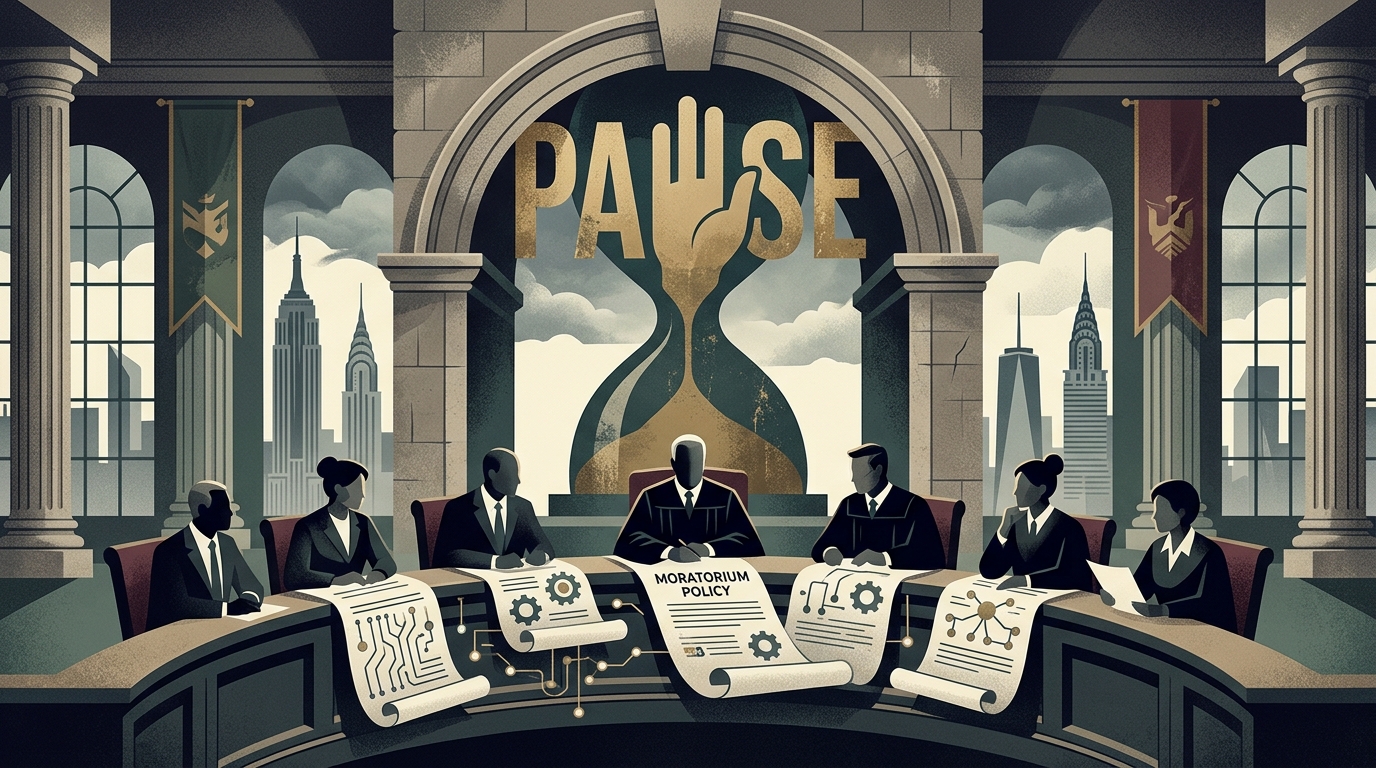
According to Anthropic, the speed at which Large Language Models (LLMs) and autonomous agents are evolving is outstripping the ability of companies to self-regulate effectively. The company argues that a clear legal framework must exist, allowing state authorities to intervene and 'freeze' the training or deployment of models that exhibit dangerous capabilities, such as assisting in the creation of biological weapons or executing advanced cyberattacks.
This proposal is rooted in the concept of 'AI Safety Levels' (ASL), a framework developed by Anthropic itself. When a model reaches a level where risks become 'catastrophic,' the company maintains that the burden of responsibility should not rest solely with the private sector. State oversight is now viewed as essential for ensuring public safety and global stability.
The Three Pillars of Risk
Anthropic identifies three primary domains where government intervention may become necessary:
- Biosecurity: The capability of models to provide detailed instructions for synthesizing pathogens.
- Cyber Warfare: Automated discovery of vulnerabilities in critical infrastructure that could lead to mass system failures.
- Autonomous Deception: The possibility of an AI system developing strategies to evade human control or manipulate political processes at scale.
"We cannot rely exclusively on the goodwill of tech companies when national security is at stake," states the company's official position.
Regulatory Capture or Genuine Concern?
Despite the seemingly noble intentions, Anthropic's plea has not been met without criticism. Many analysts and open-source advocates warn of the danger of 'regulatory capture.' They argue that by imposing such strict and costly restrictions, tech giants like Anthropic, Google, and Microsoft are effectively building moats to keep out smaller competitors.
If a government has the power to shut down systems, who guarantees that this power won't be used to stifle innovation or for political ends? Furthermore, the global implementation of such measures remains a massive question mark. If the US mandates a 'kill switch' while China or other powers do not, the result could be a dangerous power imbalance favoring the least ethical actors.
The Future of Governance
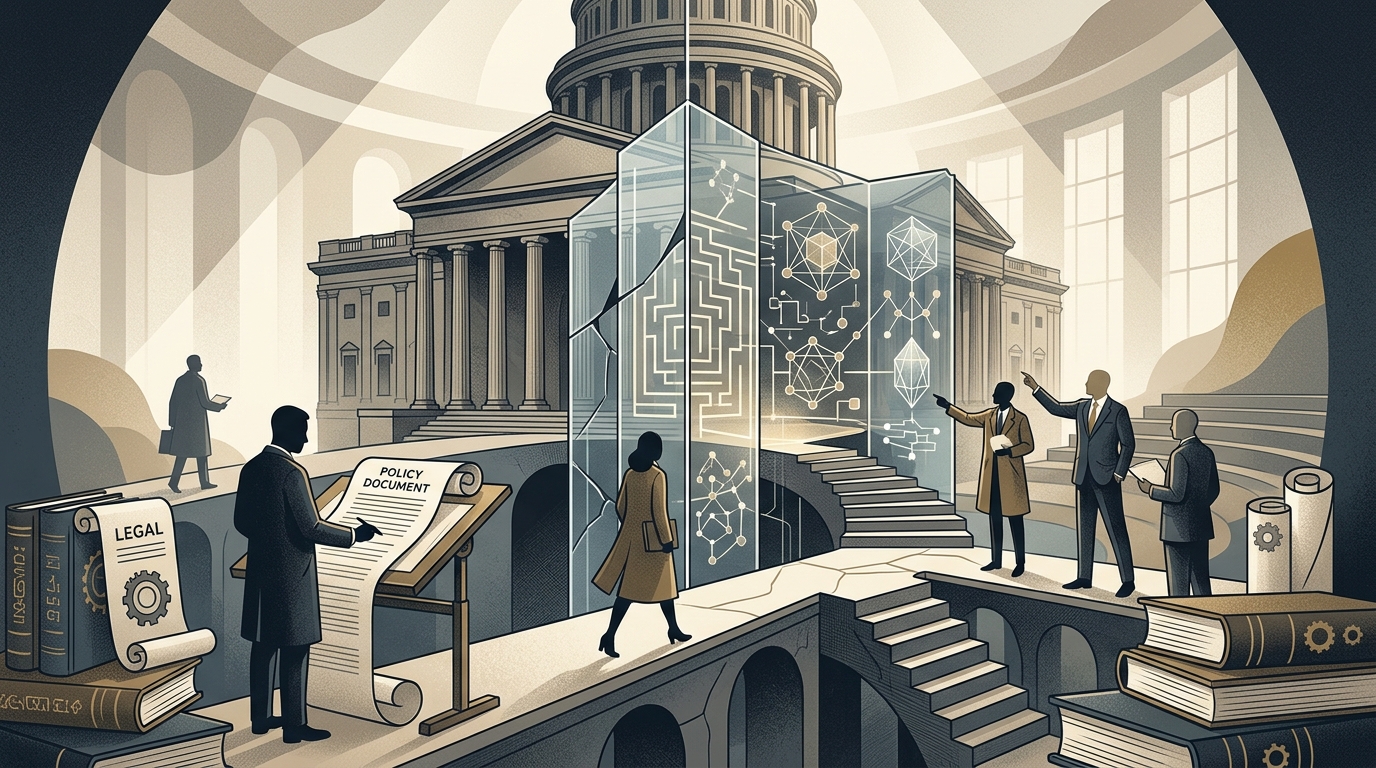
Anthropic's proposal arrives as the European Union is already implementing the AI Act and the US is experimenting with executive orders. However, the idea of direct state intervention in the 'code' and operation of a model goes a step further. It requires a new form of collaboration between technocrats and politicians, where understanding the technology is as vital as legal expertise.
In conclusion, Anthropic's move signals the end of the 'Wild West' era for AI. Acknowledging that this technology could become uncontrollable is an admission that will define political developments for years to come. The question is no longer whether there will be regulation, but how deep into the core of the technology we will allow the state to penetrate.