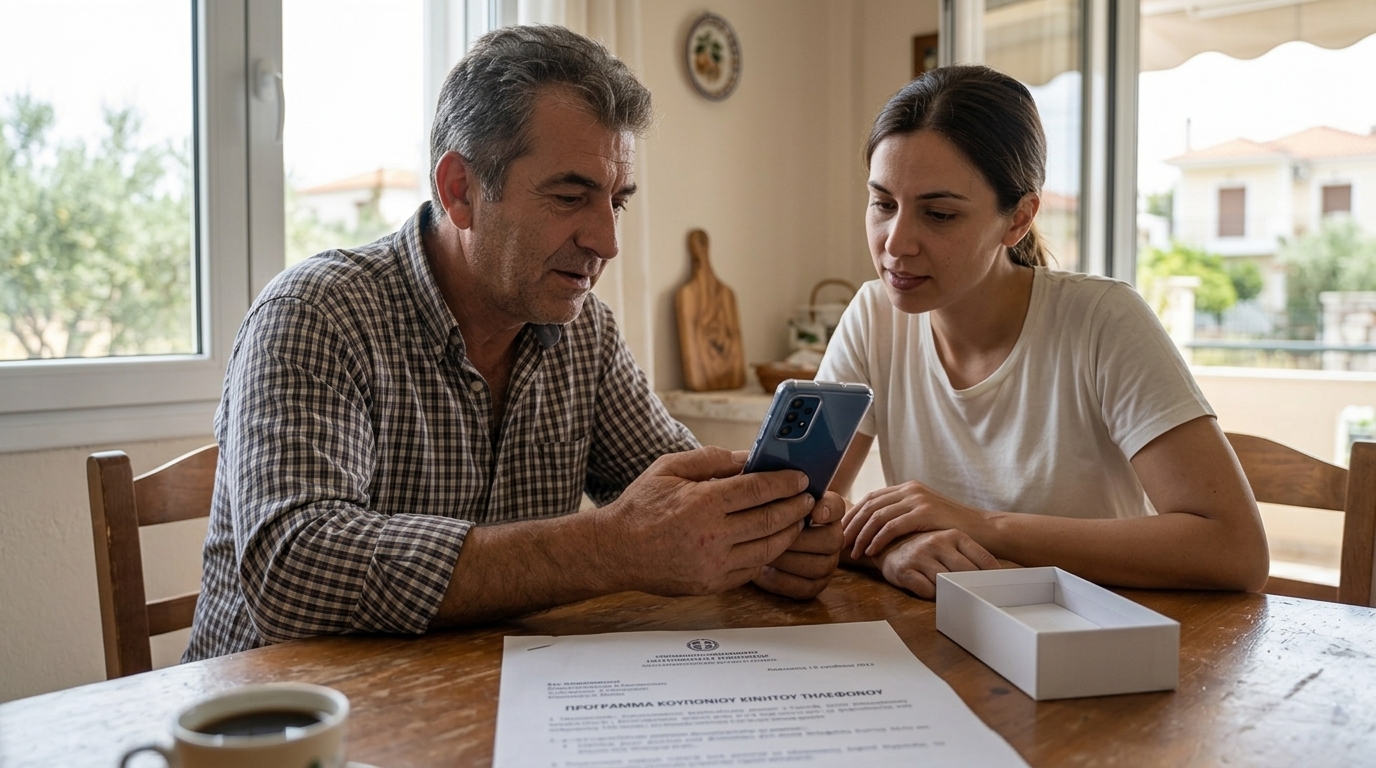
In an era where digital connectivity is no longer a luxury but a fundamental right, the Greek government is moving forward with a targeted subsidy program for the purchase of "smart" devices. The new voucher, worth up to €70, is not merely financial relief; it is a strategic move to address the digital divide that threatens to marginalize large segments of the population, particularly the elderly and vulnerable social groups.
The Necessity of Transition: From 2G to 5G
The primary driver behind this initiative is the technological modernization of telecommunications networks. As the definitive decommissioning of second (2G) and third-generation (3G) networks approaches, thousands of devices currently used by elderly citizens will soon become obsolete. The transition to 4G and 5G networks offers not only faster internet but also more reliable voice services through VoLTE (Voice over LTE) technology.
The program focuses on "user-friendly" devices. We are not necessarily talking about the latest high-performance models, but smartphones with specific features: large icons, amplified sound, emergency buttons, and simplified interfaces. The goal is for the device to be a tool for communication and safety, rather than an obstacle.
Eligibility and Selection Criteria
The selection of beneficiaries will be based on strict social and income criteria, following the model of previous successful programs like "Digital Care." Priority is expected to be given to:
- Low-income pensioners who own legacy devices.
- People with disabilities (PwDs), for whom access to digital health services is vital.
- Beneficiaries of the Minimum Guaranteed Income.
The process will be conducted through a dedicated platform on gov.gr, where applicants will log in using their TaxisNet credentials. The subsidy will be issued in the form of a digital voucher, redeemable at participating technology retail stores.
The Challenge of Digital Literacy
However, providing the device is only half the battle. The real challenge lies in digital literacy. According to analysts, 70% of elderly people acquiring a smartphone for the first time struggle to use it without assistance. For this reason, the program is expected to be complemented by information campaigns and perhaps short seminars at the municipal level, ensuring the state's investment bears fruit.
"Digital inclusion is not just a matter of hardware; it is a matter of democracy. No citizen should feel like a stranger in their own city because they don't know how to use an app," sources from the Ministry of Digital Governance state.
In conclusion, the smartphone voucher is a positive step, but it must be viewed as part of a broader ecosystem of digital empowerment. Greece, having made leaps in state digitalization in recent years, must now ensure that the speed of this transition does not leave anyone behind.