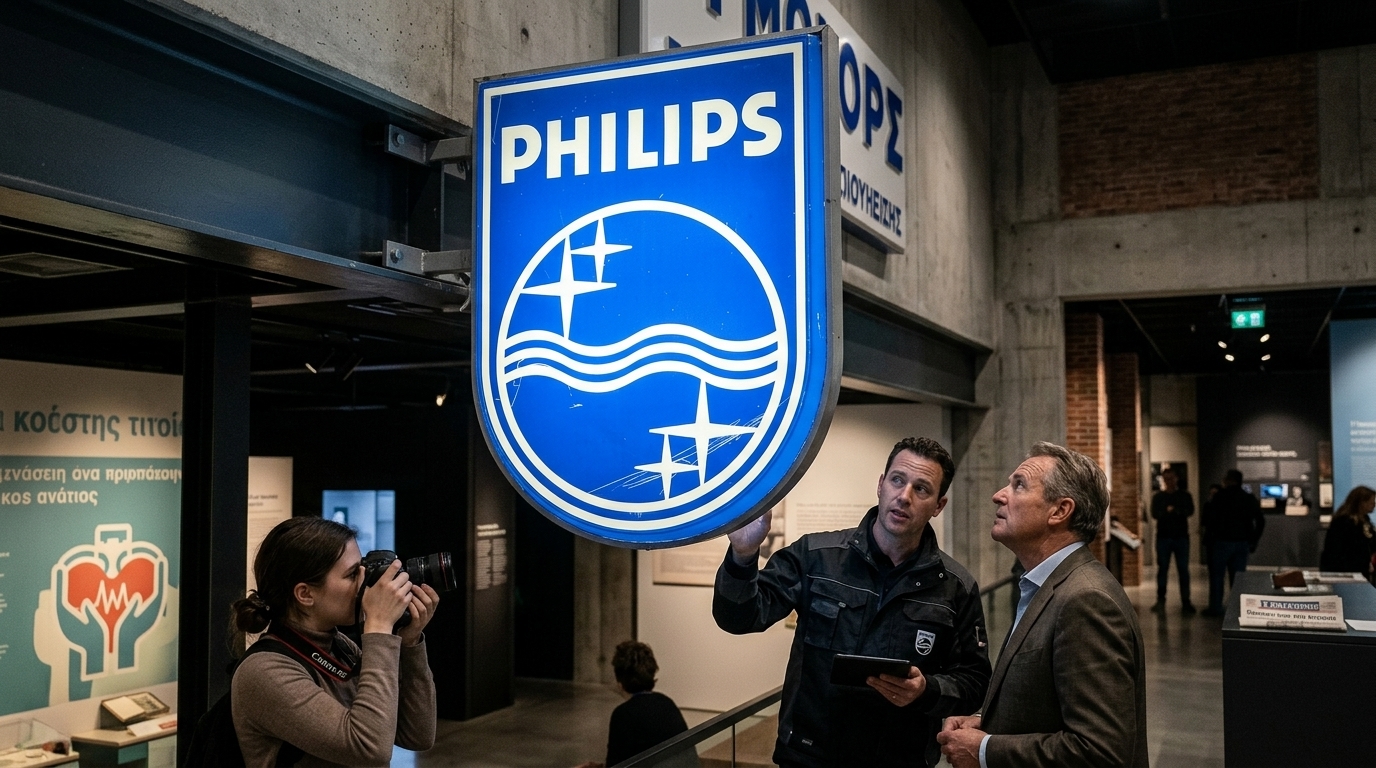
In a period of intense restructuring for the global health technology sector, Philips Hellas presents a picture of strategic adaptation. The company's recent financial data reflects a dual reality: on one hand, the inevitable pressure on sales due to macroeconomic challenges and delays in public procurement, and on the other, a remarkable capital adequacy that allows it to look to the future with cautious optimism.
Sales Pressure and the Changing Landscape
The decline in turnover is not a bolt from the blue. Philips, globally, has completed a painful transformation, moving away from traditional consumer electronics to focus exclusively on HealthTech. In the Greek market, this transition coincides with a period where the National Health System (ESY) is in a restructuring phase, often with slow rates of fund absorption.
The main factors that pressured the figures include:
- Increased competition from emerging players in digital imaging.
- Inflationary pressures affecting disposable income for personal care products.
- Time-consuming public tender processes for hospital medical equipment.
"The ability of a company to maintain a strong capital base when revenues are under pressure is the ultimate proof of financial discipline and long-term planning," market analysts note.
Fortifying the Balance Sheet: A Strategic Choice
Despite the downturn in sales, the management of Philips Hellas has managed to maintain a robust capital structure. This was achieved through the optimization of operating costs and careful inventory management. Maintaining high equity is not just a number on the balance sheet; it is the 'war chest' that will allow the company to invest in new AI and telemedicine technologies as soon as market conditions improve.
This strategy offers the company the ability to absorb shocks from supply chain instability, which, although normalized compared to the previous two years, remains an unpredictable factor due to geopolitical tensions in the Eastern Mediterranean and the Red Sea.
The 2026 Milestone and the Role of the Recovery Fund
Management points out that 2026 is expected to be a year of stabilization and satisfactory performance. This optimism is largely based on the expected acceleration of projects from the Recovery and Resilience Fund (RRF). The modernization of Greek hospitals with next-generation MRI systems, digital pathology labs, and health IT solutions constitutes Philips' primary field of action.
Furthermore, the emphasis on preventive medicine and home healthcare opens new avenues for the company's Personal Health department. The consumer shift towards devices that monitor health in real-time is a trend that Philips intends to exploit to the fullest.
Conclusions and Challenges
The course of Philips Hellas is a microcosm of the broader economic reality in Greece: a sector with huge potential (healthcare) that nonetheless hits bureaucratic hurdles and international uncertainty. Maintaining a strong capital base gives the company the advantage of 'time.' In a market that requires large investments and has long sales cycles, financial endurance is just as important as technological innovation. The bet for 2026 will be judged on the company's ability to convert its capital strength into market share in the emerging digital health economy.