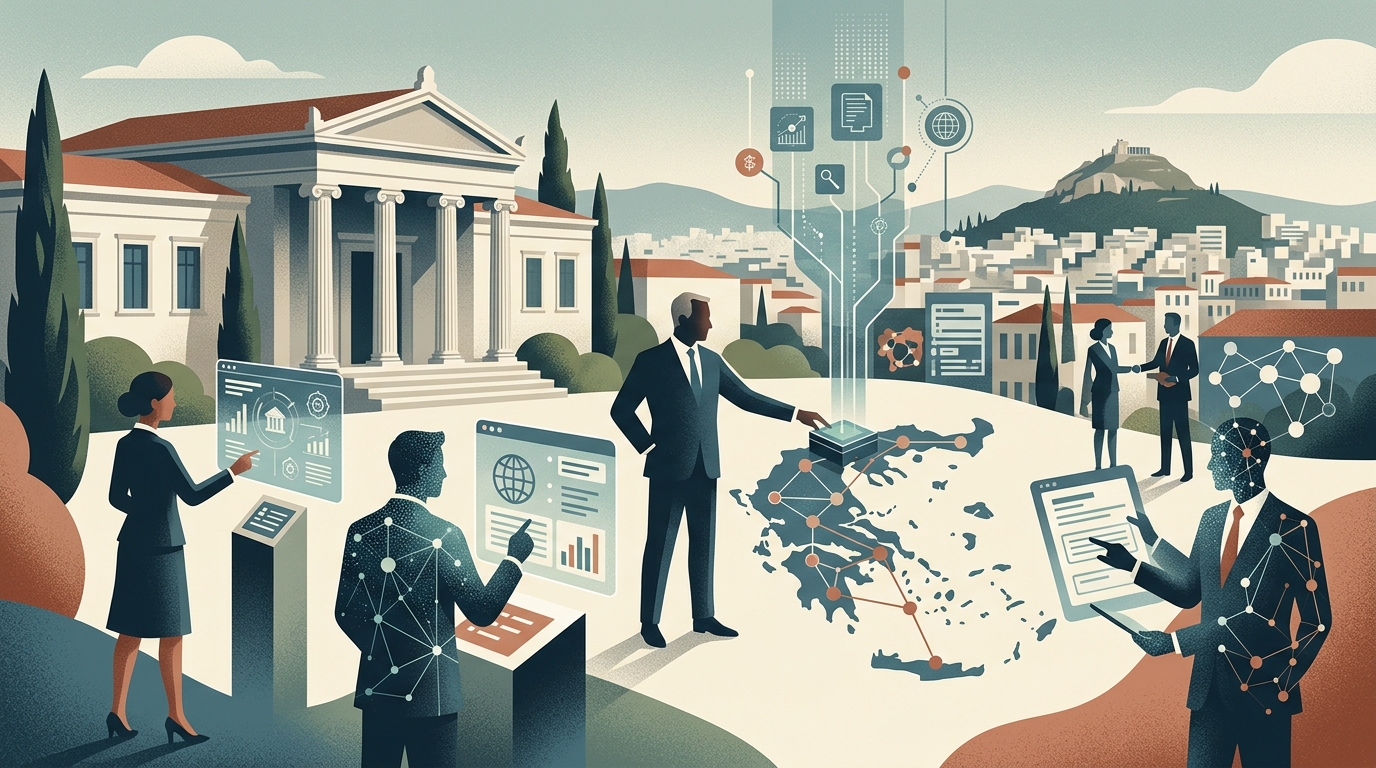
Artificial Intelligence (AI) is no longer a science fiction scenario confined to the research labs of Silicon Valley. In the Greece of 2026, the conversation has shifted from academic circles to the general public, with initiatives like the Cosmote TV documentary series playing a pivotal role in educating and informing citizens. The program "All About Artificial Intelligence" acts as a mirror of our times, highlighting how algorithms and big data are reshaping Greek daily life, from healthcare and shipping to public administration and culture.
The National Strategy and the "Archimedes" Unit
Greece has taken significant steps to ensure it does not lag behind in these developments. The establishment of the High-Level Advisory Committee on Artificial Intelligence, chaired by distinguished scientists such as Constantinos Daskalakis, laid the groundwork for a national action plan. A central pillar of this effort is the "Archimedes" Research Unit, which focuses on cutting-edge research and bridging the gap between science and the labor market. The challenge for the country is twofold: leveraging AI to improve productivity while ensuring that this transition is conducted ethically and transparently.
In the public administration sector, AI is already being used to simplify bureaucratic processes. Digital assistants (chatbots) serve citizens 24/7, while data analysis algorithms help combat tax evasion and optimize resource allocation in healthcare. However, this integration requires continuous workforce training and the upgrading of digital infrastructure to prevent the digital divide from widening.
Economic Transformation and Entrepreneurship
Greek entrepreneurship, traditionally based on tourism and shipping, finds a powerful ally in AI. In tourism, service personalization through predictive algorithms allows businesses to offer unique experiences to visitors, increasing the competitiveness of the Greek product. In shipping, "smart" fleet management and route optimization to reduce emissions position Greece as a leader in the green and digital transition of global maritime trade.
At the same time, the Greek startup ecosystem is experiencing an unprecedented boom. New companies are developing AI solutions for disease diagnosis, precision agriculture, and environmental protection. Funding from European grants and the attraction of investments from tech giants like Microsoft and Google are creating new high-skilled jobs, helping to curb the brain drain and bolster the "brain gain" phenomenon.
Ethical Dilemmas and the European Framework
Despite the excitement, the use of AI raises serious questions about privacy protection, algorithmic bias, and the future of work. Greece, as a member of the European Union, aligns itself with the AI Act, the world's first comprehensive regulatory framework. The goal is to create a "human-centric" AI, where technology serves humanity rather than the other other way around.
"Artificial Intelligence is not just a tool; it is a new language for communicating with the future. We must learn to speak it correctly without losing our human essence," state experts in the field of technology ethics.
Education plays a crucial role in this process. It is not just about knowing how to code; it requires cultivating critical thinking so that citizens can distinguish fake news (deepfakes) and understand how decisions are made by automated systems. Cosmote TV's initiative to highlight these issues is a step in the right direction, democratizing knowledge and sparking a fruitful public debate.
Conclusion: The Future is Here
Artificial Intelligence is not a threat to be feared but a challenge to be managed. For Greece, the successful integration of AI means a more efficient public administration, a more competitive economy, and a society that prospers through innovation. Information, transparency, and investment in human capital are the keys that will unlock the potential of this new era. The journey has already begun, and its course depends on our collective decisions today.