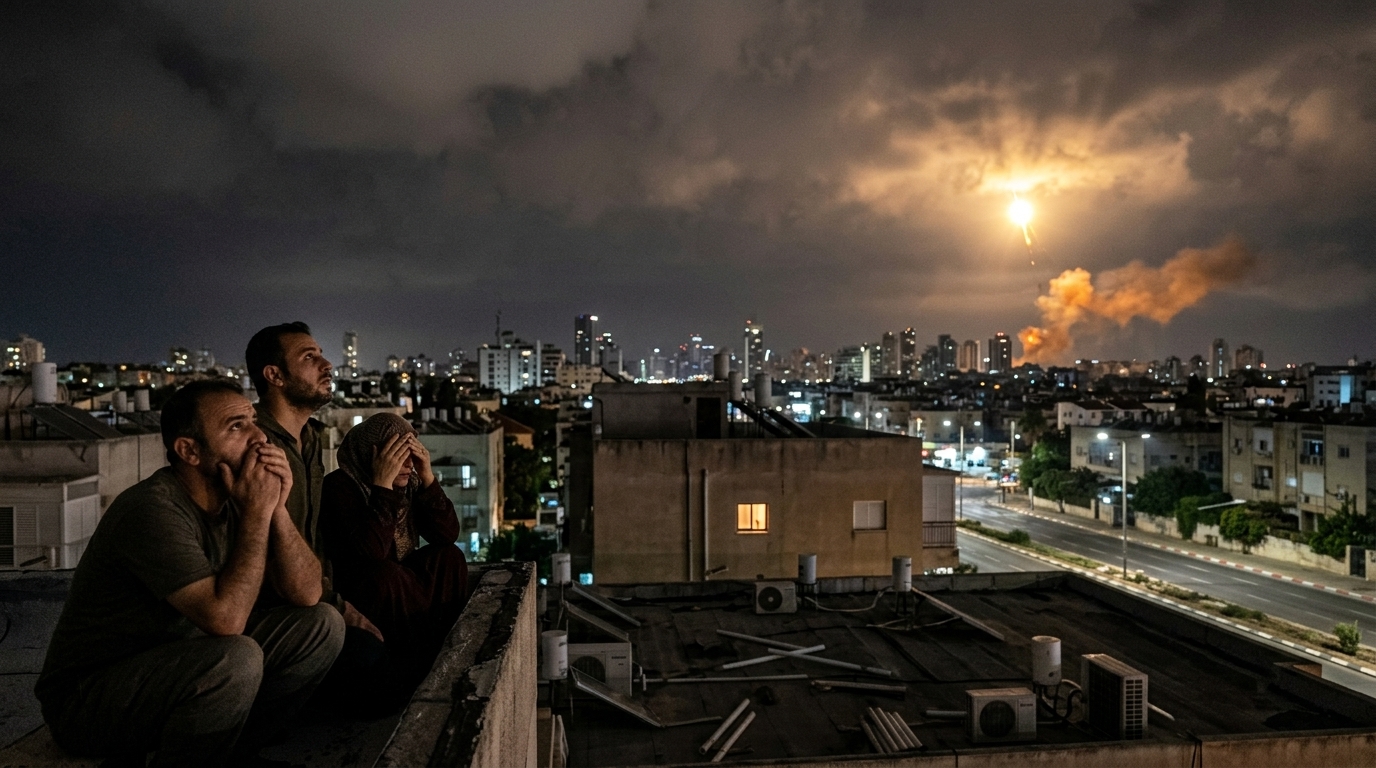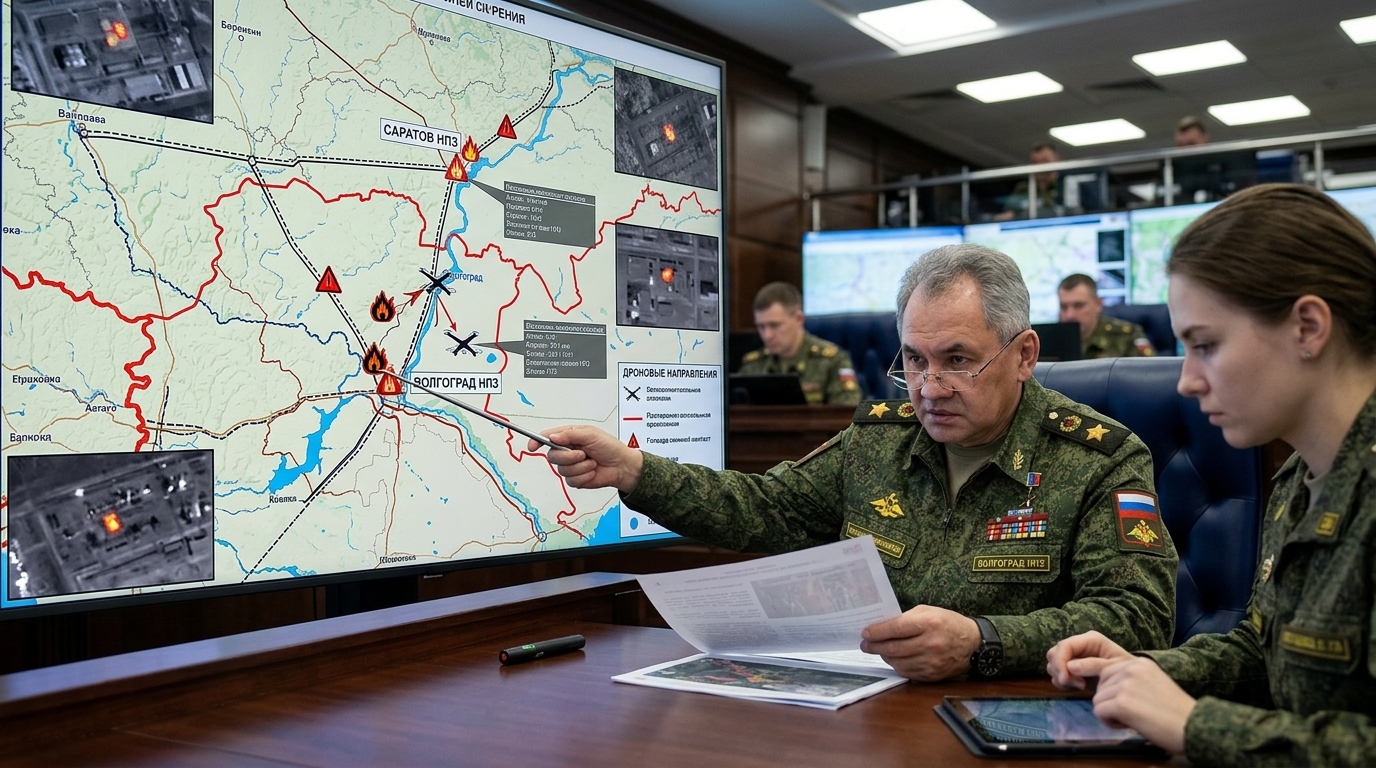
As the world watches geopolitical balances shift, July 4, 2026, finds Russia facing a new, painful reality. Ukrainian drone attacks on Russia's oil infrastructure have evolved from sporadic nuisances into a coordinated campaign of economic disruption. Ukrainian President Volodymyr Zelenskyy recently described these operations as "long-range sanctions," a phrase that captures Kyiv’s shift in doctrine: if the West cannot stop the Russian war machine with the paper and ink of economic restrictions, Ukraine will do it with explosives and wings.
The Strategy of 'Physical Sanctions'
The targeting of refineries and fuel depots is no accident. Oil is the lifeblood of the Russian economy and the primary financier of the invasion of Ukraine. By destroying Russia's ability to refine crude oil, Ukraine is not only hitting export revenues but also creating a domestic supply crisis. According to analysts, Russia's refining capacity has dropped by at least 15% in recent months, leading to shortages at gas stations from Rostov to St. Petersburg.
"Every strike on a Russian refinery is a vote of confidence in Ukraine's technological superiority and a direct blow to Putin's wallet," said a senior official in Kyiv.
The effectiveness of these attacks is due to the evolution of the Ukrainian defense industry. The drones now used have a range of over 1,000 kilometers and possess navigation systems that bypass Russian electronic warfare systems. The precision with which fractional distillation towers—the most sensitive and difficult-to-replace part of a refinery—are hit shows a deep understanding of the opponent's industrial architecture.
Political Pressure and Putin’s Defense
Despite images of burning tanks flooding social media, Vladimir Putin insists on a posture of stoic indifference. Describing the attacks as "not critical," the Russian president is trying to reassure the domestic public. However, the reality on the streets is different. Gasoline prices have increased by 25% within a quarter, and the government was forced to reimpose a ban on gasoline exports to ensure sufficiency for the military and farmers.
- Restriction of foreign trade revenues.
- Increase in domestic inflation due to transportation costs.
- Weakening of the image of the "all-powerful" state protecting its infrastructure.
- Forced movement of air defense systems from the front to the rear.
Political pressure is coming not only from citizens but also from energy sector oligarchs. Repairing these facilities requires Western technology and spare parts that are now impossible to find due to official sanctions. Thus, a "non-critical" attack can knock a unit out of operation for months or even years.
International Reactions and Energy Markets
The international community is watching with bated breath. Washington, while supporting Ukraine's right to self-defense, is expressing concerns about skyrocketing global oil prices. A total collapse of Russian production could trigger a global energy shock, something the US wants to avoid in a year full of elections. On the other hand, European leaders seem more tolerant, believing that the only way to force Moscow into negotiations is total economic suffocation.
The question that remains is how long Russia can withstand this war of attrition. Zelenskyy's strategy is turning the war from a ground conflict into a battle of industrial endurance. If Ukraine continues to strike Russia's energy hubs with the same frequency, Putin's "not critical" will soon turn into an existential threat to his regime. History has shown that empires rarely collapse on the battlefield alone; more often they collapse when the resources that keep them upright run dry.