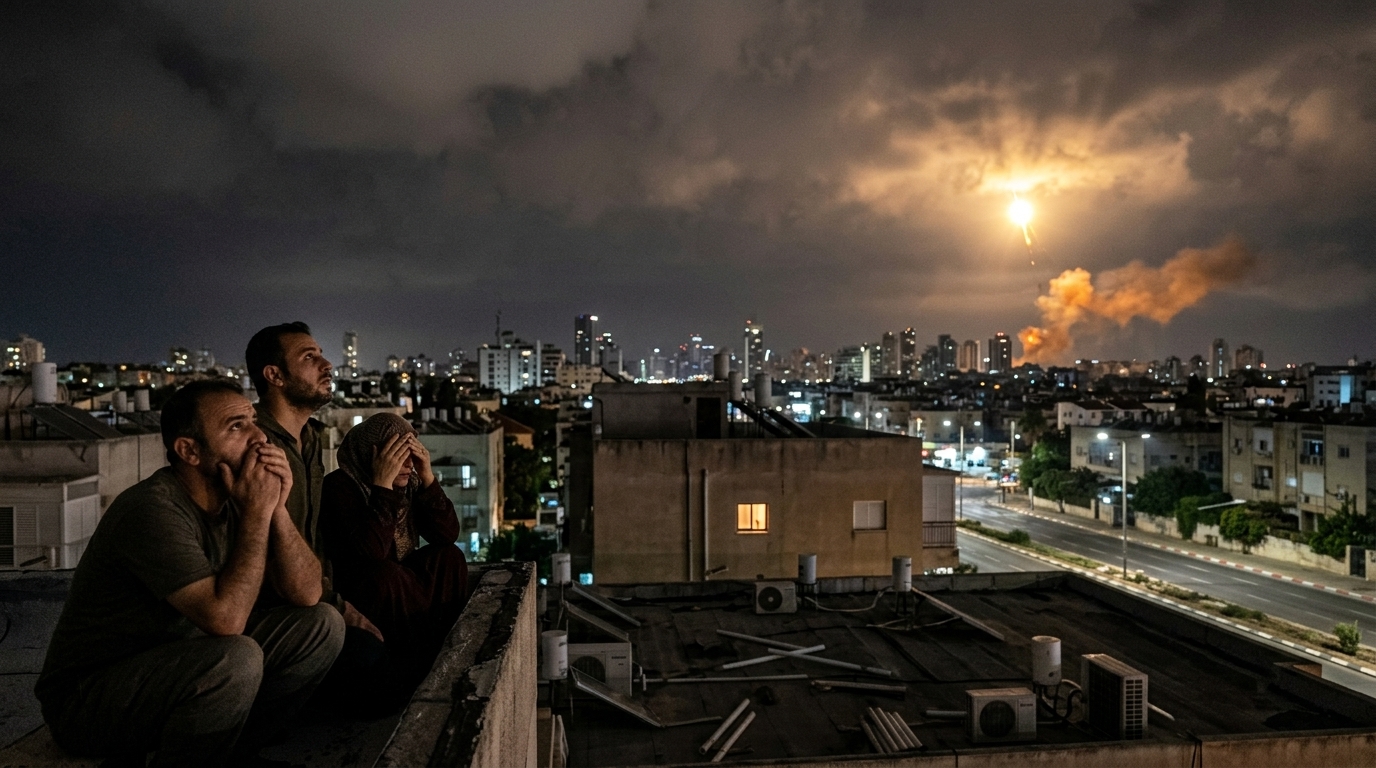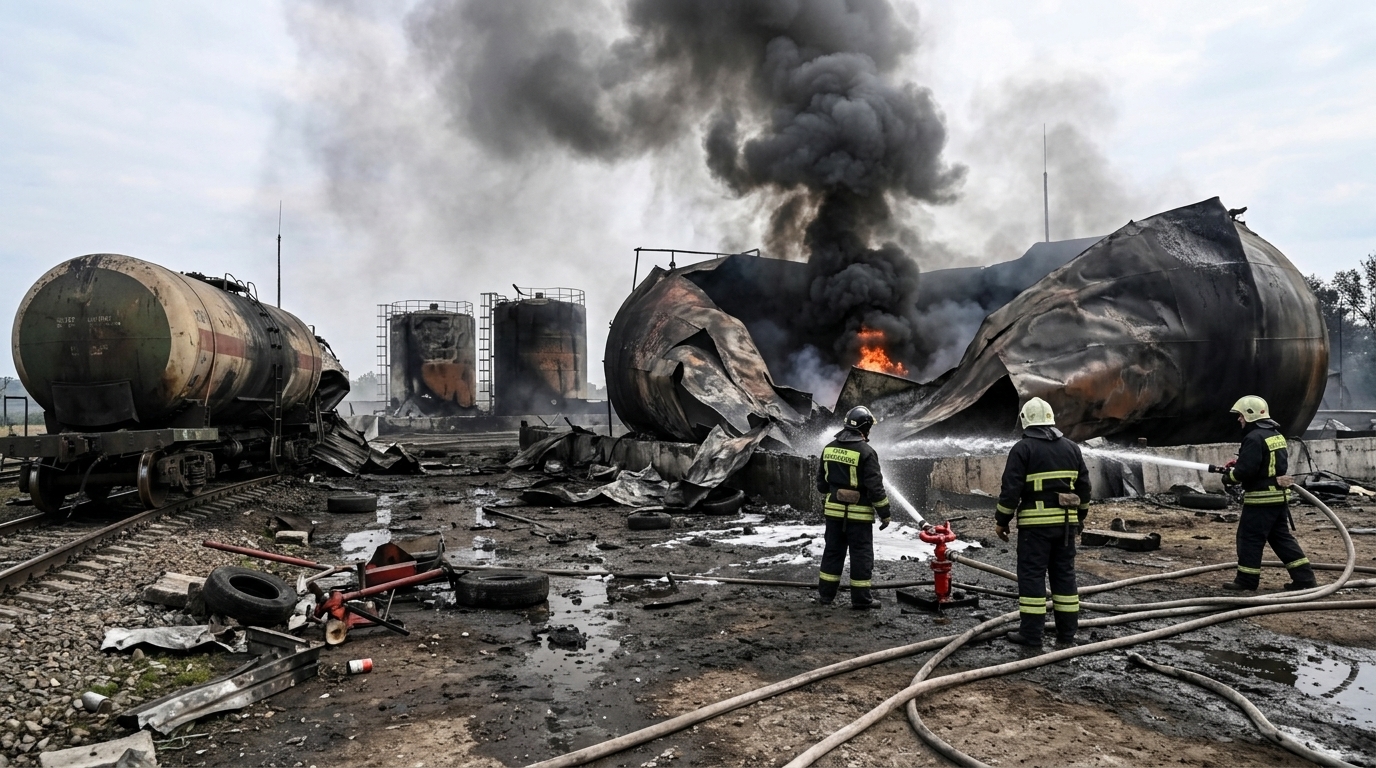
As the conflict in Ukraine enters a more nuanced and grueling phase in the summer of 2026, Kyiv’s strategy has decisively pivoted from conventional frontline attrition to a systematic, surgical dismantling of the Russian economic engine. The long-range drone strikes targeting Russian energy infrastructure are no longer isolated incidents; they represent a coordinated campaign that has triggered Russia's most severe fuel crisis in decades. The irony is stark: a global energy superpower is now struggling to keep its own domestic gas stations supplied.
The Anatomy of an Asymmetric Threat
Lacking a traditional air force capable of challenging Russian air superiority, Ukraine has invested heavily in the domestic production of low-cost, high-impact kamikaze drones. These platforms, often assembled using dual-use commercial components, travel distances exceeding 1,000 kilometers to strike the 'vitals' of Russian refineries: the fractional distillation towers. Repairing these units is a highly complex technical endeavor, further complicated by Western sanctions that restrict the import of specialized machinery and sensors.
According to industry analysts, Russia has seen a significant portion of its oil refining capacity knocked offline, forcing the Kremlin to implement repeated bans on gasoline exports to stabilize domestic prices. While necessary for social stability, this move deprives the Russian war chest of vital hard currency, creating a vicious cycle of economic bleeding that is becoming increasingly difficult to manage.
The Geopolitical Tightrope and Western Reactions
Kyiv’s strategy has caused ripples far beyond Moscow, reaching the halls of power in Washington D.C. Over the past two years, there has been intense behind-the-scenes pressure from the U.S. administration on the Ukrainian government to cease strikes on energy infrastructure. The fear in the West is a global spike in oil prices that could destabilize the global economy and influence domestic politics. However, Ukraine, witnessing its own cities plunged into darkness by Russian missile barrages, has chosen to prioritize its survival over global market stability, viewing refineries as legitimate military targets that fuel the invasion forces.
- Strikes on over 15 major refineries in European Russia.
- Reduction in gasoline production by 10-15% during peak periods.
- Increased domestic transport costs due to reliance on imports from Belarus.
- The psychological impact on the Russian populace seeing industrial infernos.
Air Defense and the Cost of Inaction
Russian air defenses, though formidable on paper with systems like the S-400 and Pantsir, have proven cumbersome against swarms of small, slow-moving drones flying at low altitudes. The logistical nightmare of protecting thousands of kilometers of pipelines and dozens of sprawling industrial sites has thinned Russian resources, leaving gaps that Ukrainian intelligence exploits with surgical precision. Furthermore, the cost of an interceptor missile often exceeds the cost of the drone it targets by a factor of ten, making the defensive effort economically unsustainable in the long run.
"We are not hitting civilians; we are hitting Putin’s wallet and the fuel for his tanks," stated a high-ranking Ukrainian official, emphasizing the strategic rationale behind these operations.
In conclusion, the 'Refinery War' represents a critical turning point. Russia is forced to choose between fueling its front lines and satisfying the basic needs of its citizens, while Ukraine demonstrates that technological ingenuity can compensate for a lack of traditional military mass. The outcome of this energy-focused attrition will not only determine the war's trajectory but will also redefine the future of global energy security and asymmetric warfare.