In a move that highlights the shift in European defense strategy from merely donating existing stockpiles to actively financing new production, the Dutch government has committed to a massive package worth 500 million euros. The announcement, made by Dutch Defense Minister Ruben Brekelmans, marks a new phase in the support for Ukraine, where drone technology and air defense are placed at the center of the geopolitical chessboard.
The package is divided equally: €250 million will be allocated to the purchase of advanced drones of various types, while the remaining €250 million will go toward air defense equipment. This move is not just an act of solidarity but a strategic investment in the "digital superiority" required on the modern battlefield, where traditional methods of warfare are giving way to automation and artificial intelligence.
The Strategic Importance of Drones and the "Drone Coalition"
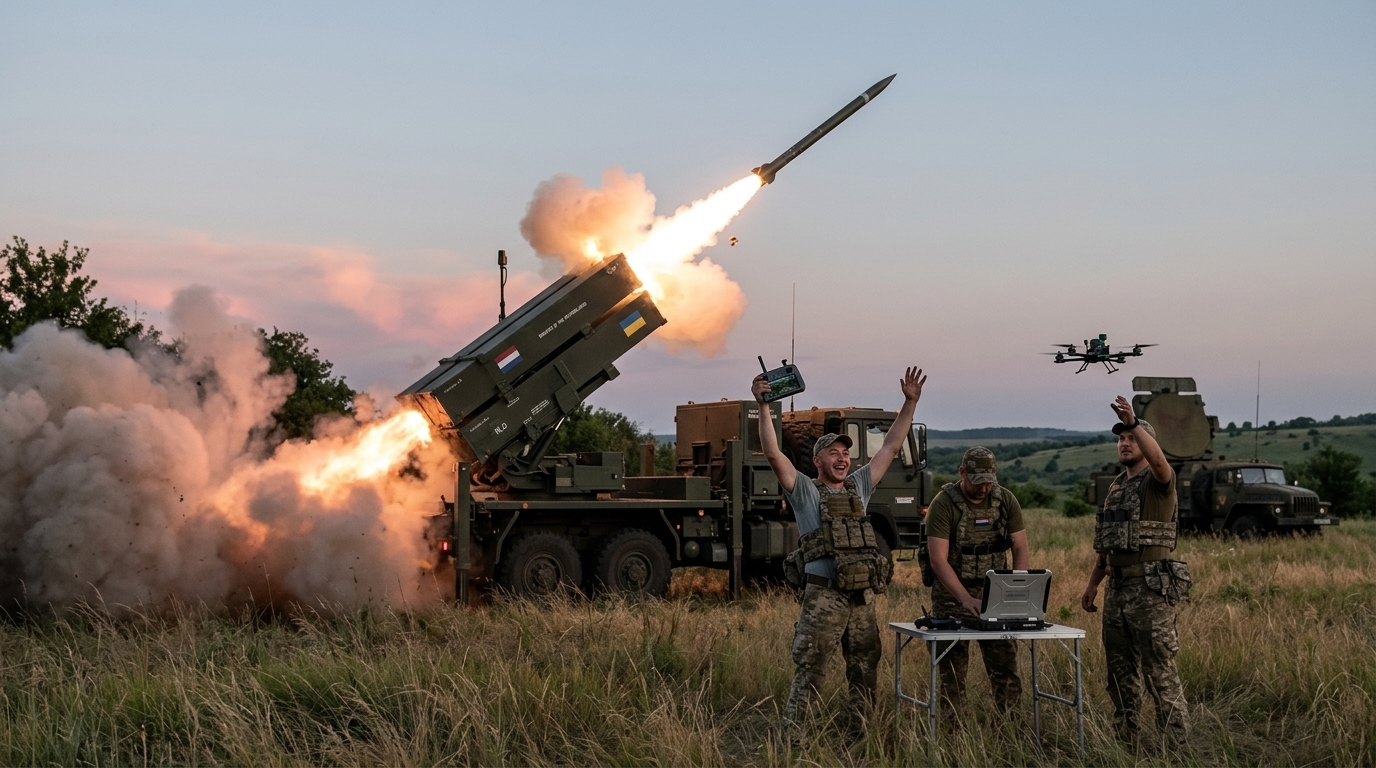
The Netherlands, along with Latvia and the United Kingdom, leads the international "drone coalition" for Ukraine. The commitment of €250 million for drones covers a wide range of systems: from small FPV (First Person View) drones used for tactical precision strikes to large reconnaissance aircraft (ISR) that provide real-time intelligence. According to Brekelmans, Ukraine needs "eyes in the sky" to counter Russia's numerical superiority.
- ISR Drones: For continuous surveillance of Russian troop movements.
- FPV Drones: As a cost-effective solution for destroying armored vehicles.
- Long-Range Drones: For strikes on strategic targets deep behind front lines.
The Netherlands' choice to purchase these systems from the industry—including its own domestic defense sector—shows an intention to stimulate European production while ensuring that Ukraine receives state-of-the-art equipment rather than obsolete systems from Cold War warehouses.
Air Defense: A Shield Against the Russian Winter
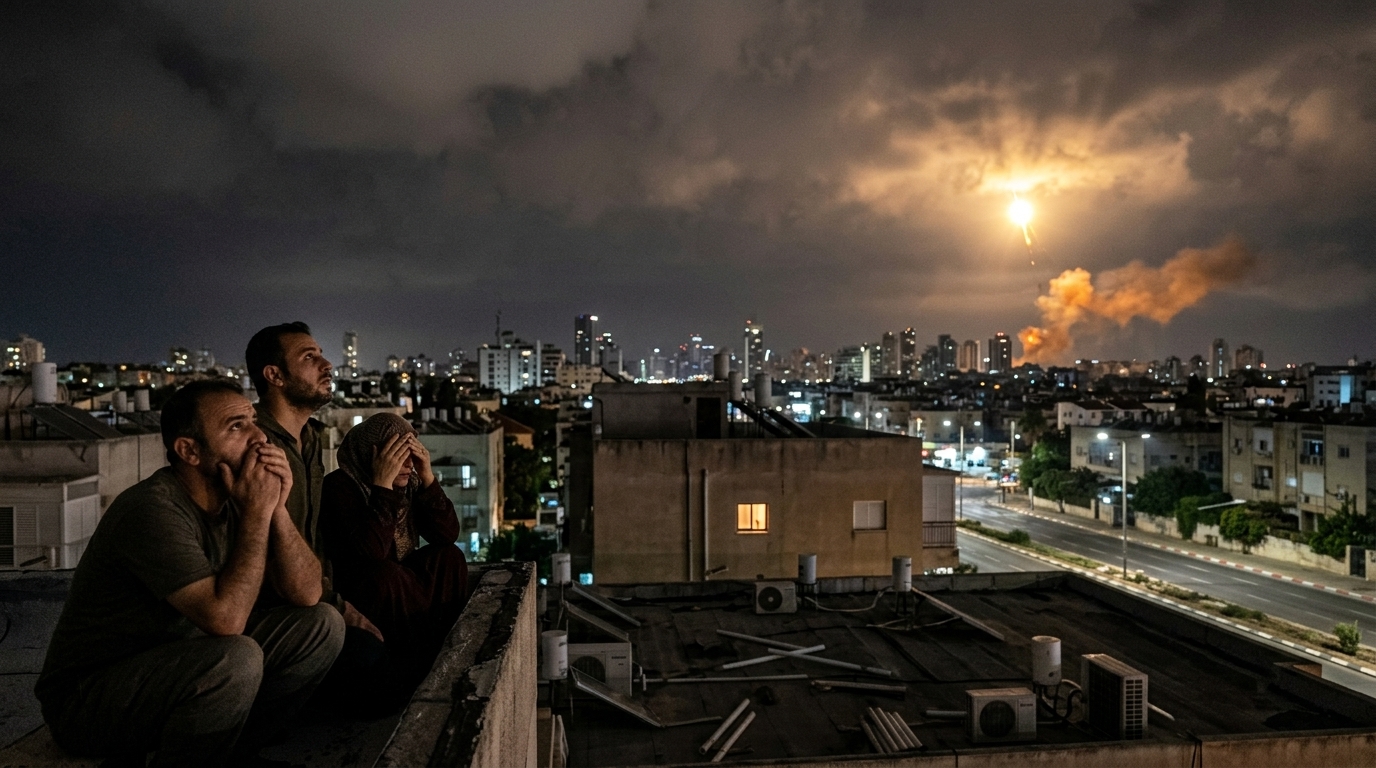
The remaining €250 million is earmarked for air defense, a critical sector as Russia continues to target Ukraine's energy infrastructure. Although the exact systems were not specified, analysts estimate the funds will cover the purchase of missiles for Patriot or NASAMS systems, as well as the procurement of mobile counter-drone units (C-UAS). Ukraine's ability to keep its airspace closed to Russian cruise missiles is key to the survival of its cities during the coming months.
"Europe's security is being decided on the battlefields of Ukraine. If we do not invest in their technological superiority now, the cost in the future will be manifold," Brekelmans stated, emphasizing the urgent need for action.
Geopolitical Implications and the New Dutch Government's Stance
This announcement comes at an interesting political juncture for the Netherlands. Following the recent elections and the formation of a government under Dick Schoof, there were questions about whether The Hague would maintain Mark Rutte's hardline stance against Moscow. The €500 million commitment provides a resounding answer: the Netherlands remains one of Kyiv's most staunch supporters in the EU and NATO.
Furthermore, this move puts pressure on other European powers to follow The Hague's lead. While Germany and France have offered significant aid, the Netherlands is pioneering specialized high-tech support, taking on the role of an "accelerator" for defense innovations tested in real-world combat conditions. Ukraine has turned into a living laboratory for the warfare of the future, and the Netherlands aims to be the primary supplier for this laboratory.
Challenges and the Future of Support
Despite the generous offer, challenges remain. The production capacity of the European defense industry remains limited, and delivery times can be long. Additionally, Russia is constantly developing new electronic warfare (EW) systems to neutralize Western drones. Therefore, the €500 million investment must be not only quantitative but also qualitative, focusing on systems that can withstand intense interference environments.
In conclusion, the Netherlands' move is a milestone. It is not just a financial injection, but a statement that the war in Ukraine will be decided by innovation. The Hague is investing in the future of European security, using the drone as the primary tool of deterrence in the 21st century.