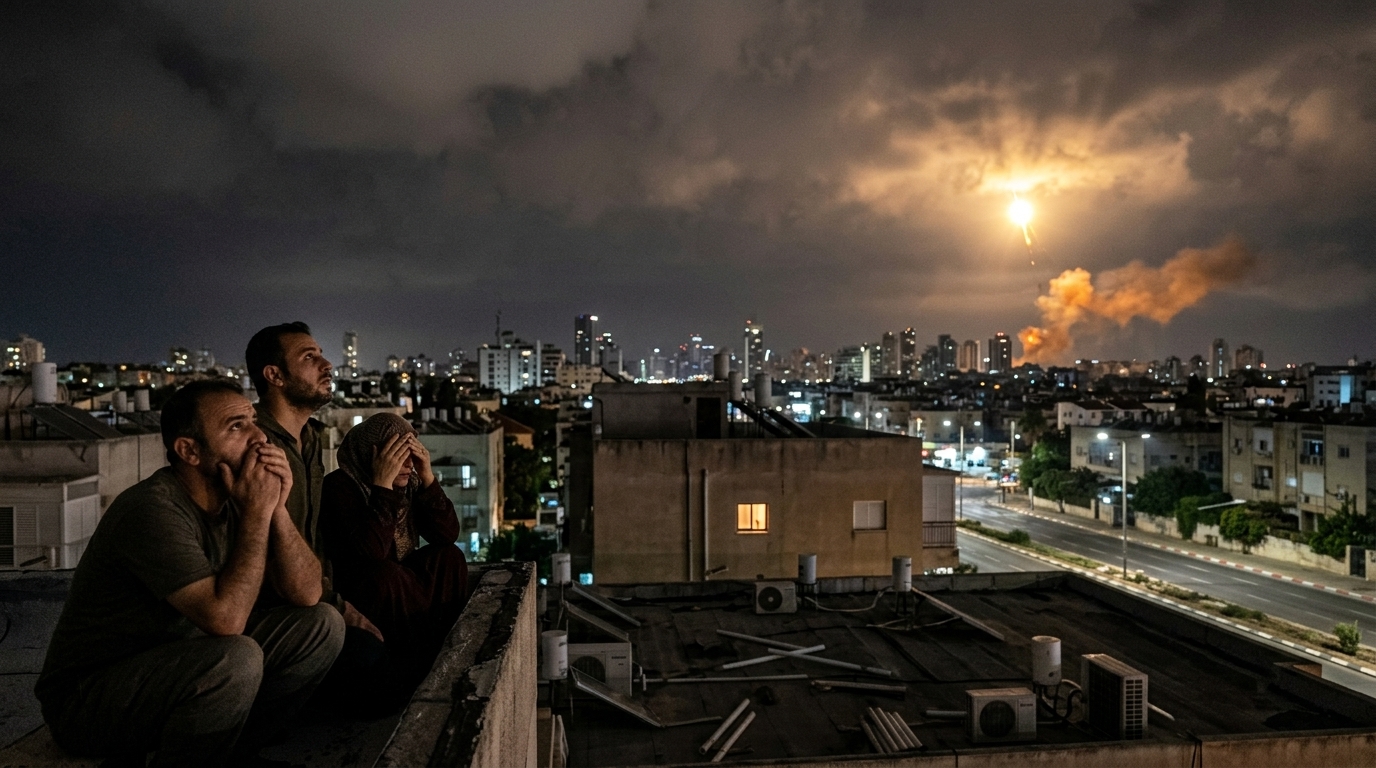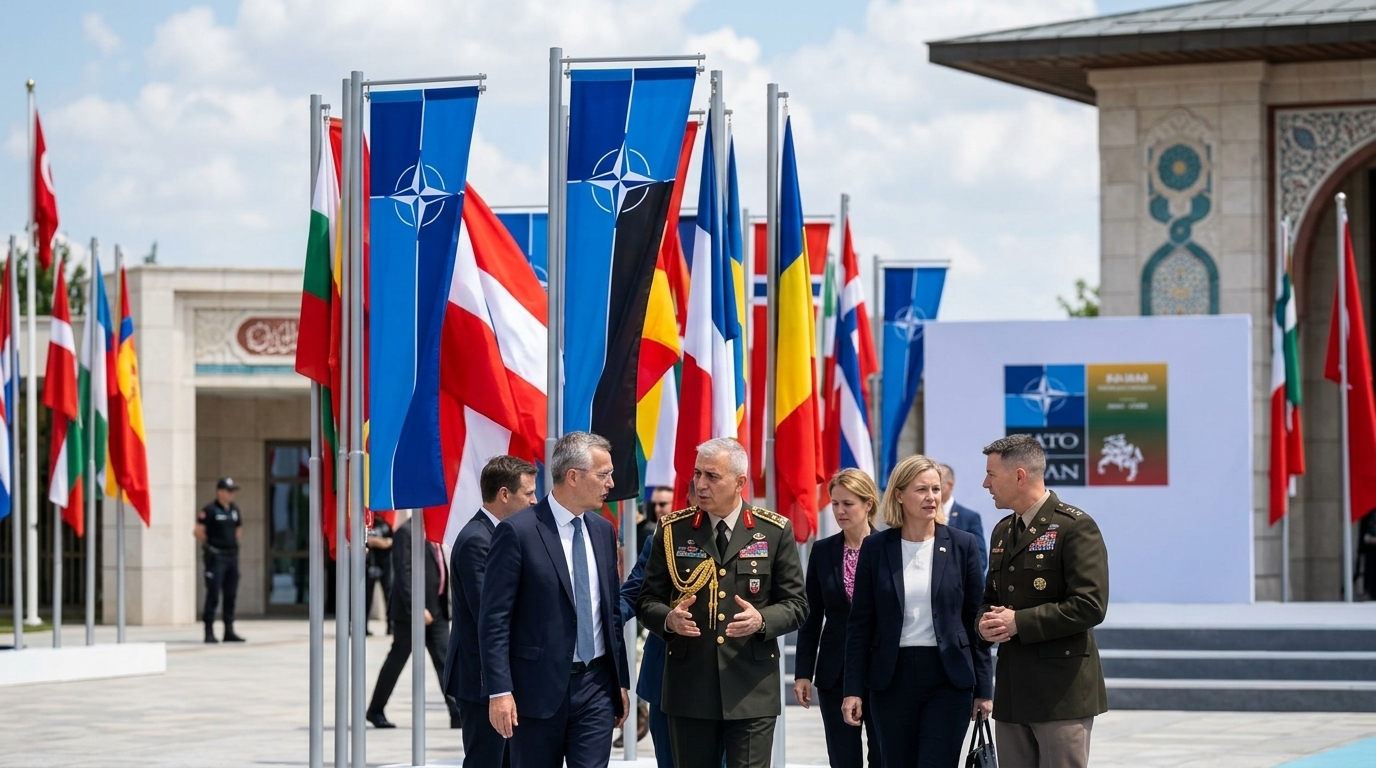
At a time when global security is being tested on multiple fronts, the conclusion of the NATO Summit in Ankara marks a historic turning point for the Alliance. Member state leaders adopted a joint communiqué that goes beyond mere rhetoric, backed by concrete financial commitments of staggering proportions: $50 billion for new defense procurements and a steadfast commitment of €70 billion for annual military support to Ukraine. The choice of the Turkish capital as the host for the 2026 Summit underscores the strategic importance of the southeastern flank and Turkey's elevated role within the Alliance's internal dynamics.
The New Architecture of Collective Defense
The $50 billion defense procurement package is NATO's response to the urgent need for rapid arsenal replenishment and the integration of cutting-edge technologies. Analysts suggest these funds will primarily target the enhancement of air defenses, the acquisition of advanced fifth and sixth-generation fighter jets, and the development of autonomous systems. The focus has shifted toward "data-driven interoperability," where Artificial Intelligence will play a pivotal role in battlefield decision-making.
The Summit made it clear that the era of "peace dividends" has officially ended. Member states agreed that the 2% of GDP threshold for defense spending is no longer a goal but a floor. This new reality demands an industrial base capable of sustaining high-intensity, prolonged conflict—a capability that had significantly withered across Europe in previous decades.
Ukraine: An "Irreversible" Path
Perhaps the most critical point of the communiqué is the €70 billion annual commitment to Ukraine. This move aims to provide Kyiv with the capacity for long-term strategic planning, shielding it from the uncertainty of ad-hoc approvals by national parliaments. NATO leaders characterized Ukraine's path toward the Alliance as "irreversible," sending a stark message to Moscow that time is not on its side.
"We are not supporting Ukraine out of solidarity alone, but out of strategic necessity. Kyiv's security is inextricably linked to Atlantic security," the Secretary General stated during the closing press conference.
The aid package includes not just ammunition and heavy weaponry, but also extensive training and technical support programs to facilitate the full transition of Ukrainian forces to NATO standards. The establishment of a new coordination center in Poland will ensure that the flow of aid remains seamless and protected from cyberattacks or sabotage.
Geopolitical Challenges and Turkey's Role
Holding the Summit in Ankara was no coincidence. Turkey, under a government striving to balance between the West and Eurasia, has managed to emerge as a central power broker. Discussions on the sidelines focused on Black Sea security and counter-terrorism—issues Ankara placed high on the agenda. Furthermore, the presence of leaders from the Indo-Pacific region (Japan, South Korea, Australia) indicates that NATO is broadening its horizons, identifying China as a "systemic challenge."
The Ankara Summit leaves behind an Alliance that appears more financially united but also more burdened by the weight of a new Cold War. The challenge now shifts to the implementation of these commitments, as inflationary pressures and internal political friction in some member states could hinder the rapid disbursement of funds. Nevertheless, the message from Ankara is undeniable: NATO is rearming for a new era of global instability.