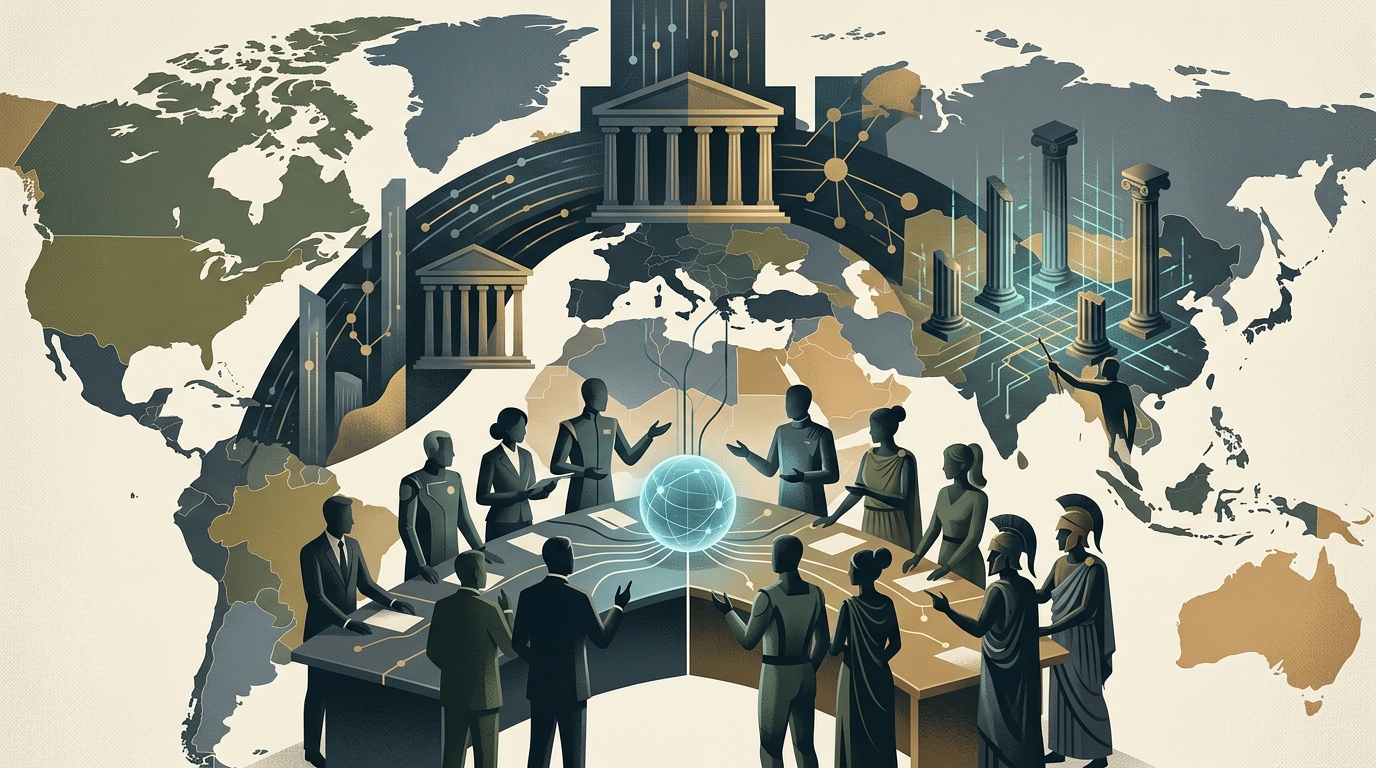
In the geopolitical chessboard of artificial intelligence, power has traditionally been measured by transistor counts and access to cutting-edge semiconductor foundries. However, the recent rise of DeepSeek, a Chinese AI firm based in Hangzhou, and specifically the release of its DSpark data processing framework, is fundamentally shifting the narrative. As we move through 2026, Nvidia finds itself in an unprecedented position: while its chips remain the gold standard, Chinese software innovation is beginning to render U.S. sanctions less effective than Washington had hoped.
The Architecture of Efficiency: Understanding DSpark
DSpark is not just another data processing tool. It is a highly optimized framework designed to handle Petabyte-scale data with a fraction of the computational power required by previous methods. DeepSeek proved with its DeepSeek-V3 model that it could achieve GPT-4 level performance using significantly fewer resources. DSpark is the backbone of this success, focusing on intelligent load balancing and minimizing data transfer latency between processors.
For Nvidia, this represents an indirect but severe threat. The company's business strategy relies on selling increasingly powerful hardware to solve scale problems. If DeepSeek can achieve the same results with older-generation chips (such as the H800s permitted in China under certain restrictions) through DSpark, then the necessity for the expensive and prohibited next-gen Blackwell chips diminishes. This complicates Nvidia’s current hardware deals, as Chinese clients realize that investing in algorithmic efficiency yields better returns than relying on sanctioned Western hardware.
Geopolitical Implications and the 'Silicon Wall'
The United States has invested billions in creating a "wall" around China, banning the export of the most advanced AI accelerators. The logic was simple: without Nvidia’s top-tier chips, China would fall behind in the AI race. DeepSeek, however, took a different approach. Instead of trying to climb over the wall, they built a ladder through software. DSpark allows Chinese firms to squeeze every drop of performance out of the hardware they already possess, making U.S. Department of Commerce sanctions partially obsolete.
- The Mixture-of-Experts (MoE) strategy reduces active compute costs during training.
- DSpark optimizes data preprocessing, reducing the time GPUs sit idle waiting for information.
- The open-source nature of some DeepSeek technologies creates a new ecosystem outside Silicon Valley's control.
This development forces Washington to re-evaluate its strategy. If hardware sanctions aren't enough, the next step could be restrictions on software or data flows—measures that are far harder to enforce in a globalized digital world.
Nvidia Between a Rock and a Hard Place
Jensen Huang, CEO of Nvidia, has repeatedly warned that excessive restrictions would only push China to develop its own alternatives. The case of DeepSeek and DSpark is the living confirmation of those fears. Nvidia’s deals for "special" lower-spec chips for the Chinese market risk gathering dust if Chinese developers continue to improve code efficiency at this rate.
"Innovation doesn't stop because you take away the tools. It simply changes direction. DeepSeek has proven that brilliance in code can compensate for a lack of silicon," say industry analysts.
Furthermore, the success of DSpark sets a precedent for the rest of the world. Countries in the Global South that lack the budget for massive Nvidia clusters are now looking toward DeepSeek’s methods. This undermines Nvidia’s monopoly not just in China, but in every market seeking cost-effective AI solutions.
Conclusion: The End of the Hardware-Centric Era?
As we approach the mid-point of 2026, the lesson from DeepSeek is clear: AI supremacy will not be decided solely in TSMC’s fabs, but at the keyboards of software engineers. Nvidia remains a titan, but DSpark has proven that no monopoly is immune when necessity drives ingenuity. The geopolitical chessboard now has more variables, and Washington may have to admit that software is the ultimate weapon—one that cannot be easily locked behind borders.