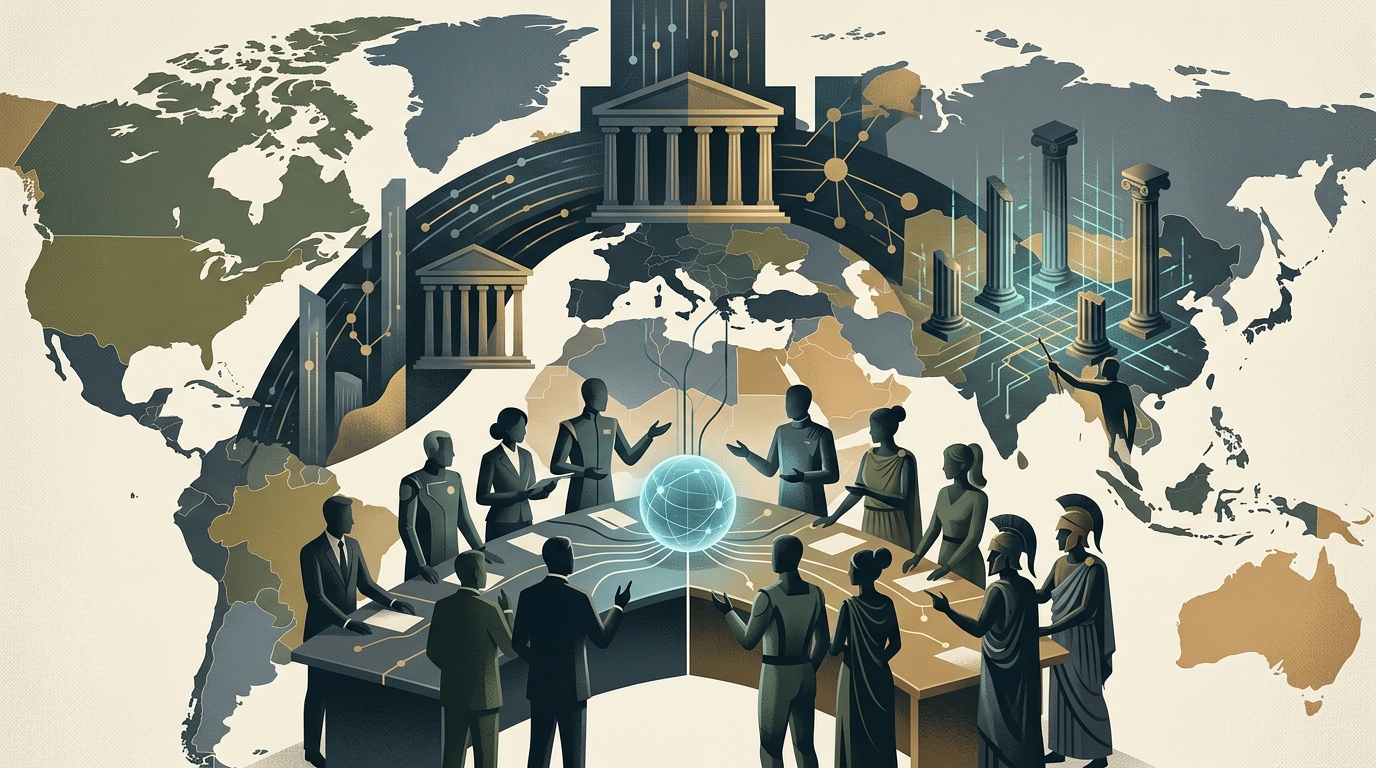
In a move that signals a new, more aggressive phase in the global competition for Artificial Intelligence supremacy, Anthropic, the U.S.-based AI safety lab behind the Claude models, has made an unprecedented allegation. In a formal letter addressed to Senators Elizabeth Warren and Tim Scott, the company accused Chinese tech giant Alibaba of systematic intellectual property theft regarding its Claude model series. The case, which involves a staggering 28.8 million parameters or data points related to Claude's architecture, is not merely a corporate dispute but a major geopolitical event.
The Anatomy of the Allegation: How Alibaba Allegedly 'Cloned' Claude
According to leaks from Anthropic’s inner circle, Alibaba reportedly utilized 'model distillation' techniques and unauthorized access to proprietary data to train its own AI models, such as the Qwen series. Anthropic contends that the similarities in response patterns, weight structures, and internal logic between Alibaba's models and Claude 3 are too consistent to be coincidental. Anthropic’s decision to bypass standard litigation and go straight to the Senate underscores the gravity of the situation. Senators Warren (D-MA) and Scott (R-SC) represent a rare bipartisan consensus in Washington: the urgent need to protect American innovation from Chinese industrial espionage.
The complaint suggests that Alibaba managed to gain access to critical components of Anthropic’s code, potentially through third-party cloud providers or sophisticated cyber-espionage operations. Anthropic, which markets itself as an 'AI safety' company, views this move as a direct threat not only to its revenue but to U.S. national security. If Chinese entities can 'clone' American technology at a fraction of the R&D cost, the West’s strategic lead in AI could evaporate within months.
The Political Front: Warren, Scott, and the 'Silicon Curtain'
The involvement of Elizabeth Warren and Tim Scott gives the case a sharp political edge. Warren, known for her tough stance on Big Tech, sees an opportunity to implement stricter regulatory frameworks to protect domestic intellectual property. Conversely, Tim Scott focuses on the economic threat China poses to American competitiveness. Their unified front indicates that AI has transitioned from a productivity tool to a strategic weapon of national importance.
- Anthropic is calling for sanctions against Alibaba and restrictions on its access to U.S. digital infrastructure.
- The Senate is considering new legislation regarding the 'digital ownership of algorithms.'
- The Biden administration is under pressure to further tighten export controls on AI hardware, such as Nvidia’s H100 chips, to China.
Alibaba, for its part, has categorically denied the allegations, calling them 'baseless claims aimed at hindering Chinese technological progress.' However, the history of trade relations between the two superpowers is rife with similar cases, ranging from the theft of fighter jet blueprints to the copying of telecommunications software. The burden of proof now lies with Anthropic to demonstrate that its 'digital DNA' was indeed stolen.
The Geopolitical Chessboard and the Future of Innovation
The Anthropic vs. Alibaba case is the 'canary in the coal mine' for future tech conflicts. As Large Language Models (LLMs) become increasingly expensive to train—with costs reaching into the billions of dollars—the incentive for theft or reverse engineering grows exponentially. For China, which faces severe restrictions on accessing high-end hardware, acquiring Western architectures is seen as a shortcut to maintain pace in the AI arms race.
"This is no longer about simple copyright infringement. It is a battle for who defines the rules of the next industrial revolution," says a senior analyst at the Center for Strategic and International Studies (CSIS).
In the coming years, we are likely to witness a full 'decoupling' of AI ecosystems. The West will fortify itself behind cyber-defenses and legal barriers, while China will develop its own parallel technology stack, built on a mixture of domestic innovation and 'expropriated' Western knowledge. Anthropic, by sending this letter, is essentially asking the state to become its protector, acknowledging that a private entity cannot stand alone against a state-backed behemoth like Alibaba.
Conclusion: The Dawn of a Long Legal and Political War
Anthropic’s filing with the Senate is just the tip of the iceberg. In the coming weeks, Congressional hearings are expected where company executives will be asked to provide forensic evidence of the 28.8 million Claude-related elements allegedly compromised. If the allegations are proven true, the consequences for Alibaba—and for Chinese tech investments in the U.S. more broadly—will be devastating. What is certain is that the era of 'open' and globalized tech development is ending, replaced by a digital nationalism that will define the 21st century.