In an era where technology and geopolitics converge in ways reminiscent of dystopian novels, Peter Thiel, the controversial co-founder of PayPal and Palantir, has once again sent shockwaves through international discourse. His recent statements, characterizing Pope Francis as an "instrument of China" and using the weightiest of terms—"Antichrist"—within the context of the rise of Artificial Intelligence (AI), are not merely rhetorical fireworks. They are part of a deeper, almost theological analysis of where humanity is headed.
The Geopolitics of Faith and the Beijing Deal
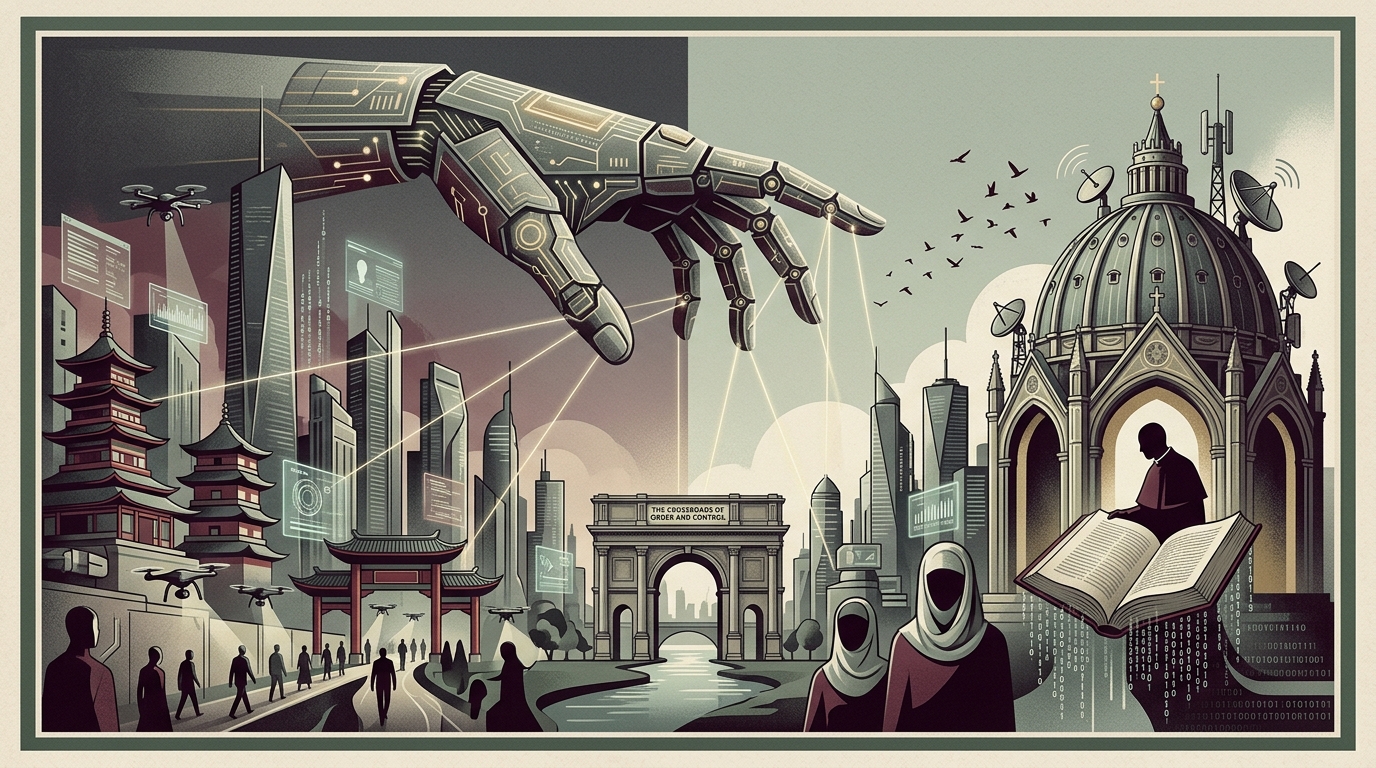
Thiel’s critique focuses on the 2018 secret agreement between the Vatican and the Chinese government regarding the appointment of bishops. For Thiel, this move was not a diplomatic necessity to protect Catholics in China, but a full-scale capitulation. He argues that the Vatican, under Francis's leadership, has aligned itself with an authoritarian regime that uses technology for the absolute suppression of its citizens.
According to the billionaire, the Pontiff's stance makes him complicit in a system that seeks to replace spiritual freedom with state control. Thiel's use of the term "Antichrist," though shocking, is used metaphorically to describe a global power that promises peace and unity through technological surveillance while stripping humans of their free will. It is a reference to the "Universal State" that many conservative thinkers fear will emerge from the collaboration of major religious institutions and totalitarian states.
Artificial Intelligence: The Great Centralizer
The heart of Thiel's "prophecy" lies in the nature of Artificial Intelligence. He draws a sharp distinction between AI and cryptocurrencies. While crypto is inherently decentralized and "libertarian," AI is, in his view, inherently centralized and "communist." AI requires massive datasets and central computing power—elements that favor large bureaucracies and authoritarian states like China.
Thiel warns that AI will allow the state to know everything about a citizen, even predicting their intentions. This "digital eye" of God, without divine grace, is for Thiel the realization of a nightmare. He argues that China is the ideal testing ground for these technologies, and the fact that the Vatican does not stand firmly against this model constitutes, for him, a historical betrayal of Western values.
The Clash of Civilizations in the Digital Age
Thiel’s analysis is not just about the present, but the future of global governance. He sees an upcoming clash between two models: one based on individual freedom and decentralization (which he links to the West and Bitcoin) and one based on total control and collectivism (which he links to China and AI). The Catholic Church's involvement in this power game changes the stakes, as the moral legitimacy offered by the Pope could accelerate the acceptance of a global surveillance system.
In this context, AI is not just a productivity tool, but the weapon with which a new world order will be imposed. Thiel calls on tech leaders and politicians in the West to realize that the battle for AI is actually a battle for the soul of humanity. If AI is allowed to evolve without ethical boundaries that protect the individual, then his prophecy of a technological tyranny will become a reality.
Conclusions and Challenges
Peter Thiel's statements, though extreme, highlight a critical truth: technology is never neutral. Every algorithm and every partnership carries political and ethical choices. The attack on Pope Francis may be seen by many as unfair or exaggerated, but it underscores the concern over the erosion of Western institutions by foreign influences and the allure of authoritarianism.
As we head toward 2030, the debate Thiel opened will remain relevant. Humanity is called to decide whether Artificial Intelligence will be our liberator or our jailer. And in this decision, the roles of religion, politics, and Silicon Valley billionaires will be decisive. The question remains: can we build a technologically advanced society that remains deeply human and free?