In the rapidly evolving landscape of the digital economy, nothing remains static—especially how tech giants manage their most valuable resource: user data. Google, the undisputed king of search, recently implemented a quiet but fundamental shift in its data retention policy. Now, the images and files you upload during interactions with Google Search—such as through Google Lens or reverse image searches—are not just used to provide immediate results. They are being stored to train the company's artificial intelligence models, including Gemini.
The Quiet Expansion of Data Harvesting
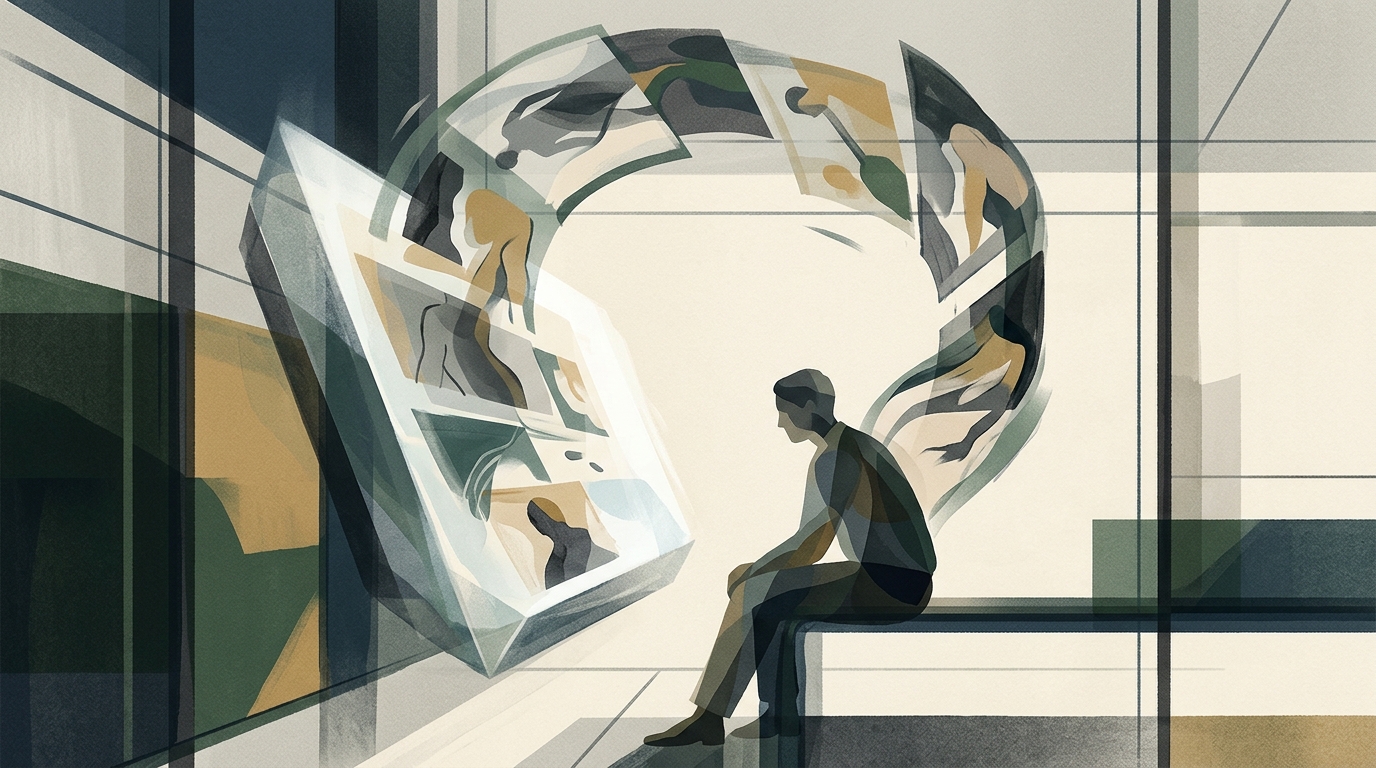
This change is nested within the "Web & App Activity" settings. Previously, Google primarily stored text-based queries and browsing history to personalize your experience. However, the update expands this collection to include "visual data." This means if you photograph a plant to identify it or upload a personal photo to find similar images, that content could end up in Google’s AI training sets.
The issue isn't just the storage itself, but the default nature of the setting. For most users, this feature is enabled by default (opt-out), meaning consent is assumed unless the user manually intervenes in their account settings. This practice raises significant ethical questions regarding user autonomy and corporate transparency.
The Hunger for Multimodal Training Data
Why does Google need your personal photos? The answer lies in the race for "multimodal" AI. Next-generation models cannot just understand text; they must "see" and interpret the world like humans do. Data derived from real-world user interactions is far richer and more nuanced than static images scraped from the public web.
"The transition from information retrieval to content generation requires vast amounts of authentic data, and users are the most direct and valuable source," industry analysts note.
This hunger for data has led to an aggressive collection strategy. While Google maintains that data is anonymized and that personal information from Drive or Gmail is not used for advertising, its use for "improving AI services" is a gray area that many find intrusive. In a world where AI is the new arms race, your personal snapshots are the ammunition.
Taking Control: A Practical Guide to Opting Out
If you wish to keep your visual searches private, opting out requires navigating through your Google Account settings. Follow these steps to reclaim your data:
- Log into your Google Account and go to the "Data & Privacy" tab.
- Find the "History settings" section and click on "Web & App Activity."
- Look for the sub-setting related to "Include voice and audio activity" and, crucially, the new setting for "Visual search activity."
- Uncheck the box that allows Google to store images to improve its AI models.
- You can also set an "Auto-delete" schedule to ensure older data is purged after 3, 18, or 36 months.
It is important to note that disabling this setting will not break Google Lens. You will still be able to perform searches; however, Google will no longer retain a copy of your image on its servers for future AI training purposes.
Beyond the Toggle: The Erosion of Implicit Consent
Google’s move highlights a broader industry trend: the commodification of private life as raw material for machine learning. In the era of generative AI, the old adage "if you aren't paying for the product, you are the product" has taken on a more literal dimension. AI "eyes" are watching us not just to sell us shoes, but to learn how to perceive reality.
In the European Union, thanks to the GDPR, users theoretically have stronger protections. However, the complexity of settings menus often acts as a friction point, discouraging users from exercising their rights. Transparent communication and ease of access to these toggles should be a moral obligation for tech firms, not a hidden secret requiring journalistic investigation to uncover.
Protecting privacy in 2026 requires constant vigilance. The digital assistants we rely on are becoming smarter, but that intelligence is fueled by the fragments of our daily lives. Choosing to say "no" to AI training is a small but vital act of reclaiming digital sovereignty.