In a pivotal moment for the digital asset ecosystem, Securitize, the firm leading the charge in digitizing traditional financial instruments, is readying its entry into the public markets. CEO Carlos Domingo, in a recent interview with Bloomberg, clarified that the upcoming Initial Public Offering (IPO) is not merely an exit milestone for investors, but a strategic tool for the company’s aggressive expansion through acquisitions.
The IPO Strategy and Market Consolidation
Securitize’s decision to pursue an IPO in 2026 comes at a time when the Real World Asset (RWA) tokenization market is beginning to mature. According to Mr. Domingo, raising capital from public markets will provide the company with the necessary 'war chest' to acquire smaller players in a fragmented market. This strategy aims at consolidating technologies and licenses that will allow Securitize to dominate on a global scale.
The primary argument for the IPO is the enhancement of the company’s profile. In the world of institutional investment, the transparency and regulatory oversight associated with being a public company act as a guarantee of credibility. For Securitize, which already partners with giants like BlackRock for the BUIDL fund, this move is the natural evolution of its effort to bridge the gap between Wall Street and blockchain technology.
Tokenization as the New Normal for Capital Markets
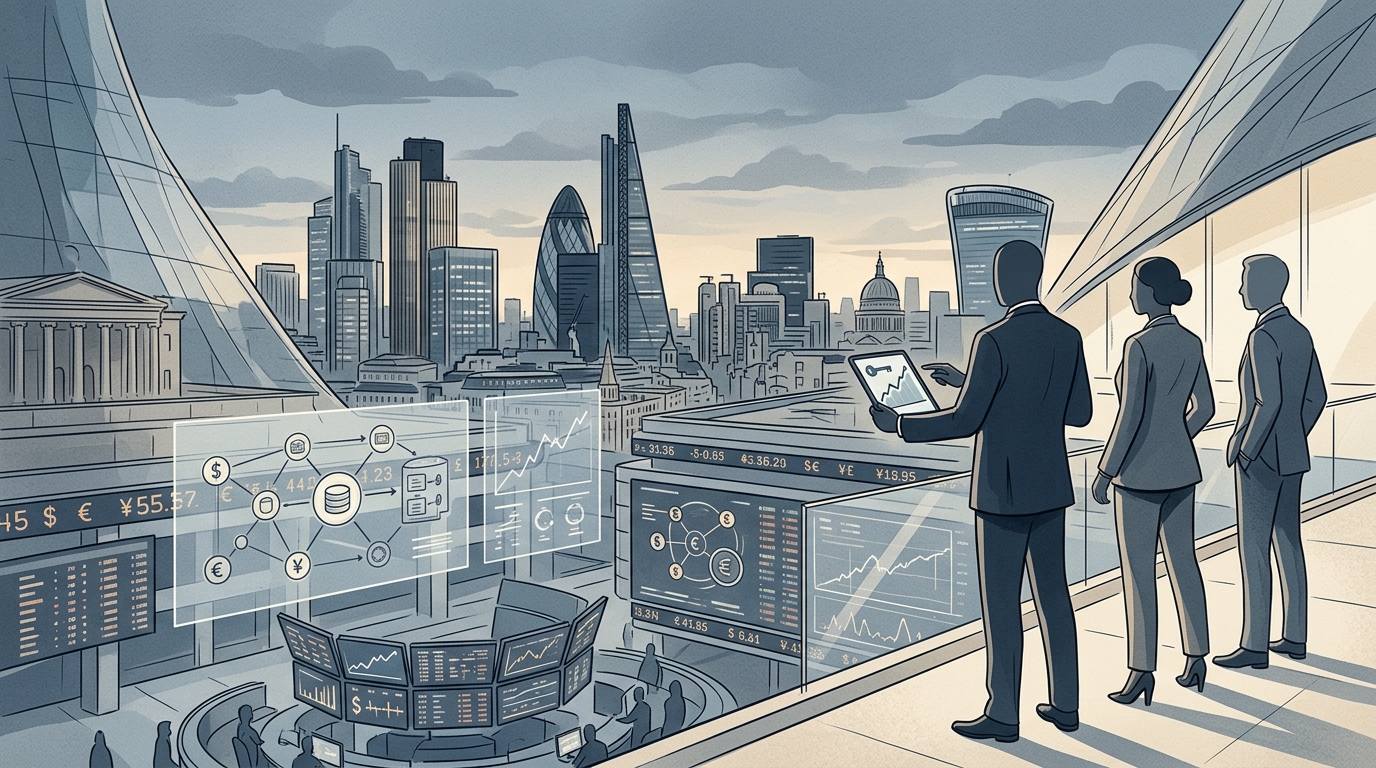
The year 2026 finds capital markets in a process of radical transformation. Tokenization is no longer considered an experimental niche of crypto, but the infrastructure upon which future markets for bonds, real estate, and private equity will be built. Securitize has managed to position itself at the center of this shift, offering a comprehensive platform for the issuance and management of digital securities.
- Efficiency: Reducing settlement times from days to seconds.
- Accessibility: Enabling fractional ownership of high-value assets.
- Transparency: Using blockchain for immutable record-keeping of ownership.
Domingo emphasized that the RWA market is expected to reach trillions of dollars by the end of the decade. However, to achieve this, scale is required. The acquisitions planned by Securitize will likely focus on companies holding operating licenses in critical jurisdictions, such as the European Union and Southeast Asia, allowing the firm to offer a truly global solution.
"The IPO gives us the currency—in the form of stock and liquidity—to bring together the best technologies and the most strategic licenses globally," Domingo noted.
Challenges and the Regulatory Landscape
Despite the optimism, the road to an IPO is not without obstacles. Regulatory uncertainty, though diminished compared to previous years, remains a risk factor. The SEC in the United States continues to scrutinize blockchain firms, while the implementation of the MiCA regulation in Europe creates a new compliance framework.
Furthermore, competition is intensifying. Traditional banks like JPMorgan and Goldman Sachs are developing their own tokenization platforms. Securitize must prove that a specialized technology firm can compete with banking behemoths while maintaining its agility and innovation. The acquisition strategy will be decisive here: if Securitize can quickly integrate complementary services, it can offer a more holistic experience than the internal departments of legacy banks.
Conclusion: A New Era for Financial Technology
Securitize’s move toward the stock market signals the end of the era of 'promise' and the beginning of the era of 'execution' for blockchain. Backed by institutional investors and a clear M&A strategy, the company is not just aiming for survival, but for a redesign of how capital moves globally. The success of its IPO will serve as a barometer for the entire RWA sector and will determine the speed at which traditional finance fully integrates into the on-chain economy.