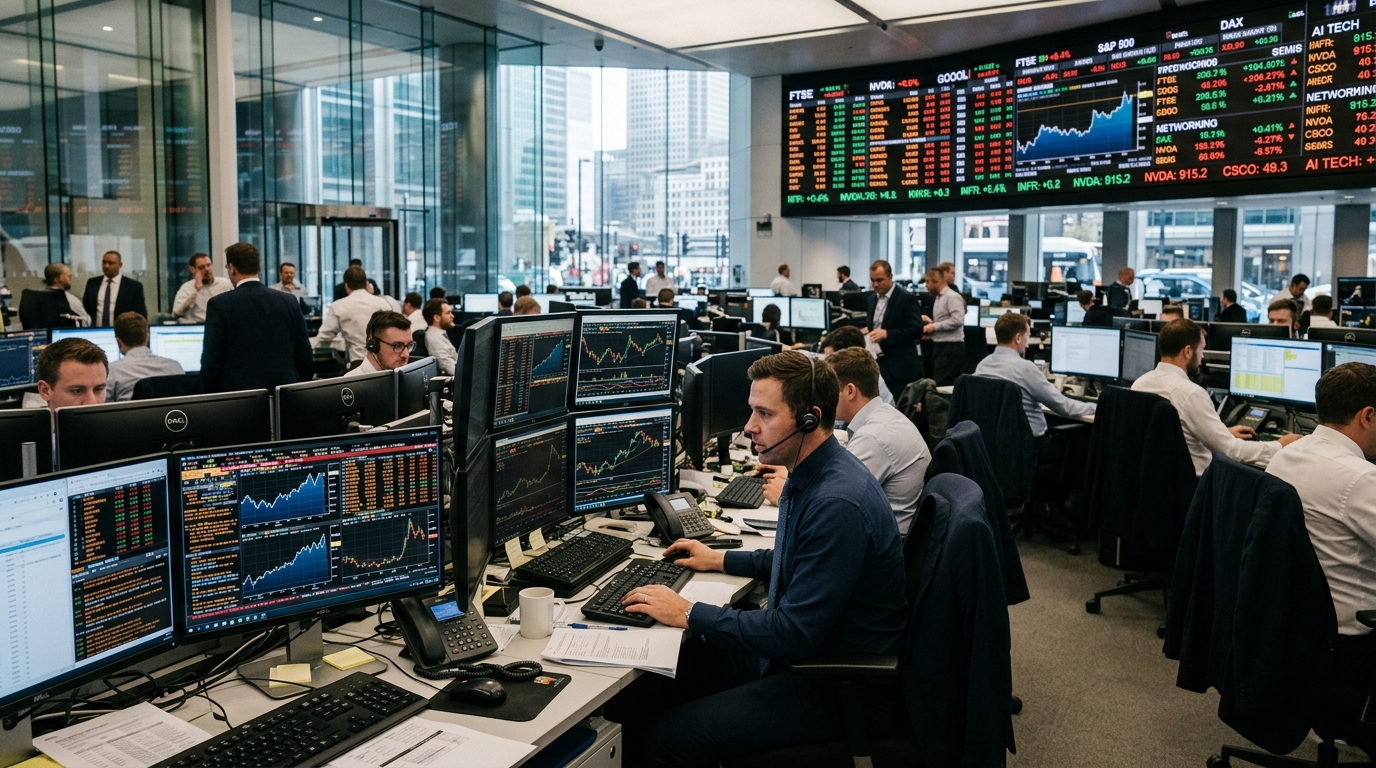
The stock market of 2026 continues to vibrate with the echoes of the Artificial Intelligence (AI) explosion, but the landscape has fundamentally shifted. If 2023 and 2024 were the years of chips and large language models, 2025 and 2026 belong to infrastructure. Dell Technologies, once known primarily for its PCs, transformed into an AI server giant, seeing its stock skyrocket. However, for investors who feel they have "missed the boat," attention is now turning to those companies providing the essential components to keep these servers running.
The Shift from Silicon to Steel and Cooling
The demand for computational power is insatiable, but this power comes with a massive physical cost: heat and energy consumption. As Nvidia's GPUs become increasingly powerful, traditional data center cooling methods are becoming obsolete. This is exactly where companies like Vertiv Holdings come in. Vertiv doesn't manufacture chips, nor does it develop algorithms. It builds the power management and liquid cooling systems that prevent the cutting-edge servers from Dell and Super Micro from melting down.
Market analysis indicates that the data center market is expected to grow at a rate of over 20% annually through 2030. In this environment, Vertiv and Arista Networks are emerging as the new protagonists. Arista, in particular, dominates the high-speed networking sector, providing the switches that allow thousands of GPUs to communicate with each other with near-zero latency. Without Arista, training a model like GPT-5 or Gemini 2 would be practically impossible.
The Multibagger Phenomenon and Vertiv's Strategy
Why are analysts labeling these stocks as potential "multibaggers"? The answer lies in the profit margins and the "moat" they have built. The transition from air cooling to liquid cooling is a technological necessity requiring specialized engineering. Vertiv holds one of the largest market shares in this field, and its contracts with giants like Microsoft and Amazon are long-term and highly lucrative.
Furthermore, the energy crisis and the need for sustainable data centers are pushing companies toward more efficient solutions. AI infrastructure is no longer just about speed; it's about energy efficiency. Investors looking for the "next Dell" must look beyond the server hardware and focus on the surrounding ecosystem. Vertiv, with its recent upward earnings revisions, shows that the growth is not merely transitory but structural.
Risks and Challenges in the 2026 Market
Despite the optimism, significant risks remain. Valuations for these companies have reached historic highs, reminding some of the dot-com era. If Big Tech (Hyperscalers) decides to trim their capital expenditures (CAPEX), infrastructure providers will be the first to suffer. However, current dynamics suggest we are still in the early stages of a multi-year investment cycle.
- Liquid cooling is becoming the new standard for AI clusters.
- Arista Networks benefits from the need for high-speed Ethernet backbones.
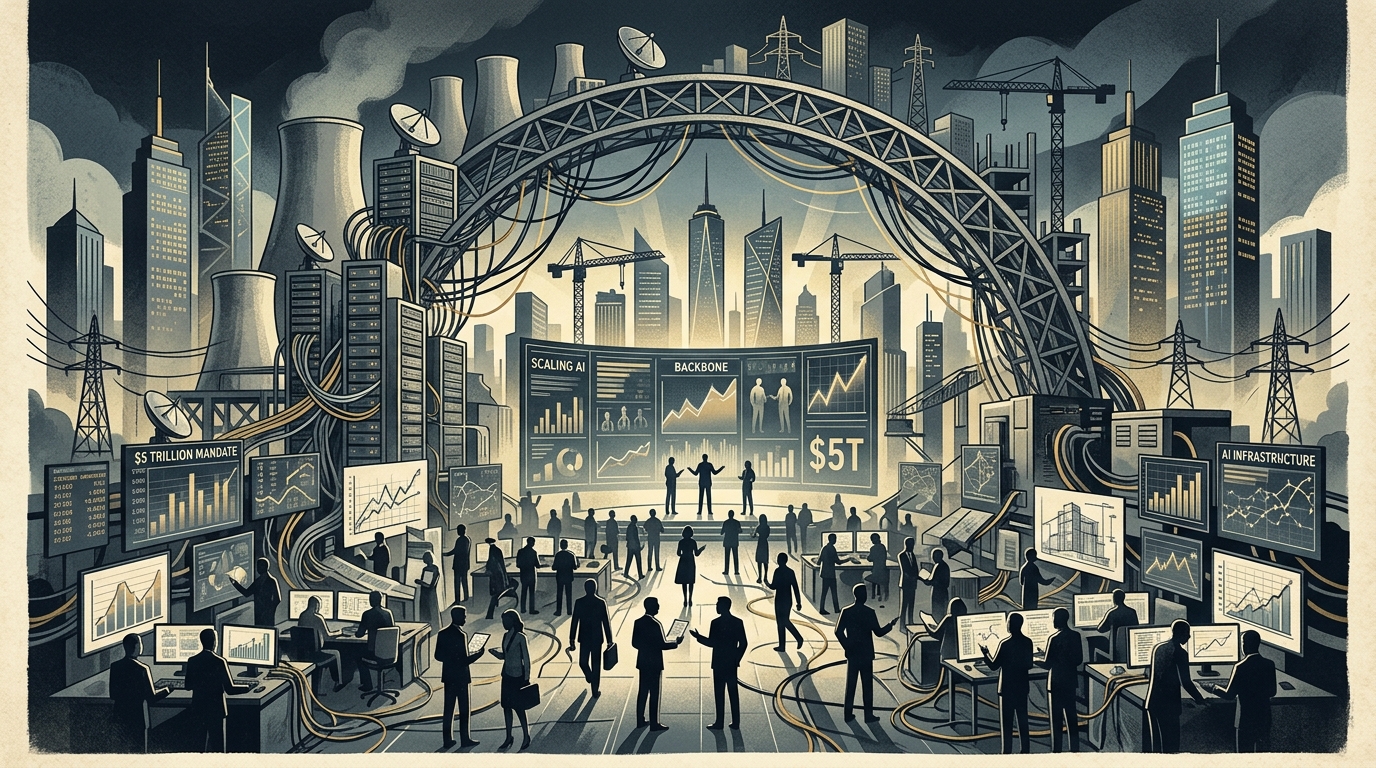
- Energy infrastructure is the single biggest bottleneck for AI expansion.
- Diversifying into "pick and shovel" companies mitigates individual stock risk.
In conclusion, while Dell provided an excellent opportunity, the future of AI profitability lies with companies solving the physical constraints of computing power. Vertiv and its peers are no longer mere suppliers; they are the gatekeepers of digital evolution.