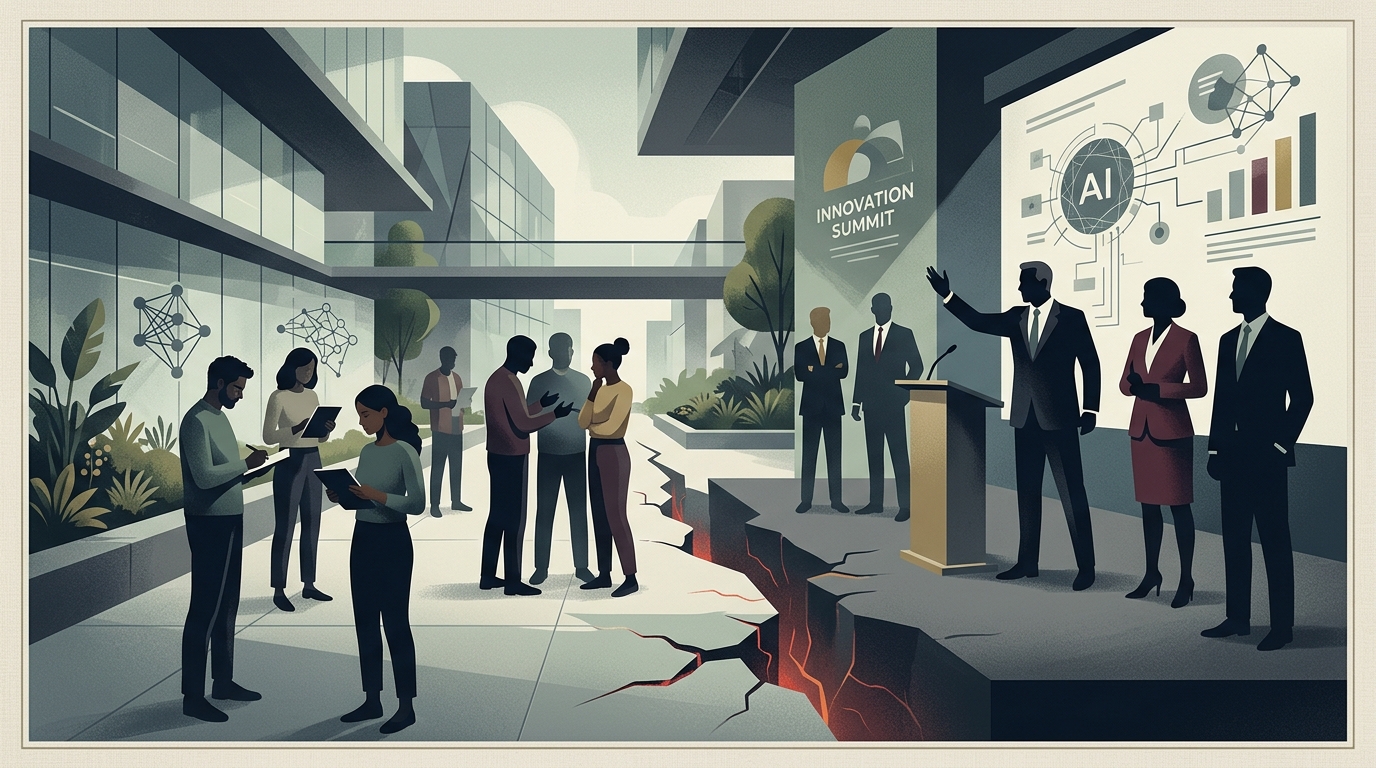
Google DeepMind, the research laboratory that serves as the spearhead for Alphabet's artificial intelligence efforts, is facing an unprecedented internal crisis. Recent unionization negotiations in London have devolved into a theater of confrontation, with employees accusing corporate leadership of "systematic stalling" and a fundamental lack of respect for collective bargaining. This clash is not merely about salaries; it is about the very identity of an organization once considered the "holy grail" of academic freedom within the corporate world.
The Shift from Research to Product
For years, DeepMind operated as a semi-autonomous island within the Google empire. Under the guidance of Demis Hassabis, the focus was squarely on "solving intelligence." However, the arrival of ChatGPT and the intensifying competition with OpenAI forced Google to merge DeepMind with its Google Brain division, creating the new Google DeepMind. This merger brought with it a sharp pivot toward commercialization. Researchers, who once enjoyed the freedom to publish papers without immediate commercial impact, are now being pressured to deliver products like Gemini on grueling schedules.
This cultural shift is the primary driver behind the unionization push. Employees feel that their voice in the ethical development of AI is being sidelined in favor of profit margins. During a meeting last Wednesday, management reportedly dismissed requests for transparency in decision-making processes, sparking outrage among participants. Dissatisfaction is not limited to junior staff; it extends to senior researchers who see DeepMind's original vision being eroded by corporate necessity.
Legal Frameworks and Executive Resistance
In the United Kingdom, the process for union recognition differs significantly from that in the United States. While the Alphabet Workers Union (AWU) has made strides in America, London-based employees are seeking formal recognition that would compel management to negotiate legally binding contracts. Google, following the established playbook of Big Tech giants, appears to be adopting a tactic of "passive resistance." Instead of direct confrontation, it chooses to delay meetings and question the representativeness of the organizing groups.
- Refusal to recognize specific "bargaining units."
- Lack of commitment to timelines for future discussions.
- Deep-seated concerns regarding job security following recent Alphabet-wide layoffs.
According to sources cited by Wired, management representatives during the talks maintained a stance described as "condescending." Their unwillingness to discuss issues such as AI governance and job security has created a toxic atmosphere.
"We aren't just asking for better benefits; we are asking for a say in the future of the technology we are building,"stated one employee involved in the process.
AI Ethics as a Labor Right
A unique aspect of this dispute is the linking of labor rights with AI ethics. DeepMind researchers have repeatedly expressed concerns about their models being used in military applications or surveillance systems. Without a union, employees feel they have no protection if they choose to refuse work on projects that violate their ethical principles. Google’s leadership, conversely, insists that existing "internal review processes" are sufficient—a claim that staff strongly disputes after the high-profile ousting of top ethics researchers in the past.
The future of these negotiations remains uncertain. If Google continues to deny voluntary recognition, employees may turn to the UK’s Central Arbitration Committee (CAC) to force recognition through a statutory ballot. Such a move would set a historic precedent for the tech industry in Europe, shattering the stereotype that high-skilled tech workers do not require collective representation.
Conclusion: A Fragile Balance
The crisis at Google DeepMind is a symptom of a broader mutation in the AI sector. As AI transforms from a field of scientific inquiry into a multi-billion dollar industry, the conflict between the values of the creators and the interests of the shareholders becomes inevitable. The outcome of these London talks will determine whether AI researchers remain the architects of the future or are reduced to mere cogs in a digital assembly line.