In a move that drastically shifts the balance of power in the global technology landscape, Anthropic, the safety-focused AI firm founded by former OpenAI executives, has announced the widespread release of its next-generation models. What the market is now calling 'Super AI' for the mainstream user is not just a sophisticated text generator, but a system with complex reasoning capabilities previously thought to be the exclusive domain of elite research labs.
The Strategy of 'Safe Power'
Anthropic, backed by giants like Amazon and Google, has managed to bridge the gap between raw computational power and ethical alignment. The new model is built on the architecture of 'Constitutional AI,' which allows the system to self-regulate based on a predefined set of principles. However, the innovation here lies in speed and accessibility. For the first time, mainstream users have access to a tool that can analyze thousands of pages of legal documents, write code for complex applications, and propose scientific solutions in seconds, without the need for specialized hardware.
- Advanced multimodality for simultaneous processing of image, sound, and text.
- Reduced hallucination rates thanks to improved verification algorithms.
- Full integration into everyday productivity applications.
Competition and Market Dynamics
This move comes at a time when OpenAI and Google are facing pressure to further commoditize their models. Anthropic seems to be betting on trust. In a world where misinformation and AI misuse are major risks, offering a 'super-intelligence' designed to say 'no' to unethical prompts is a potent competitive advantage. Analysts estimate that the shift toward mainstream users will skyrocket the company's revenue, as businesses seek reliable tools that won't compromise their data or reputation.
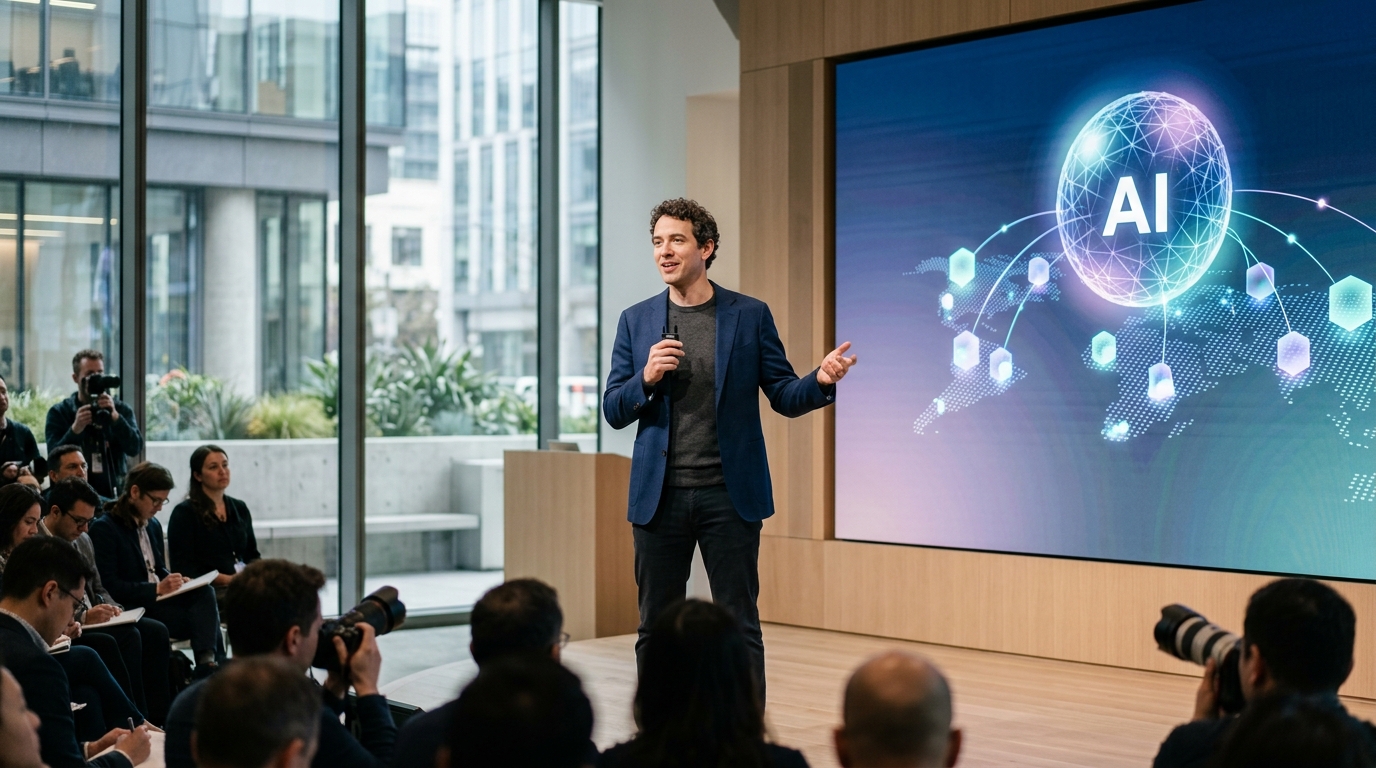
"We are not just offering a tool, but a partner that understands the context and values of the user," a company executive stated during the launch event.
The Future of Work and Creativity
Mainstream access to this level of intelligence raises profound questions about the future of work. If a student or freelancer can use Claude to perform tasks that once took days in mere minutes, the value of human labor shifts from execution to strategy and critical thinking. Anthropic maintains that the goal is human augmentation, not replacement. However, the speed at which 'Super AI' is entering daily life may outpace the ability of social structures to adapt. The next two years will be critical for how regulatory bodies, especially in the European Union, handle this explosion of productivity powered by 'black box' algorithms.