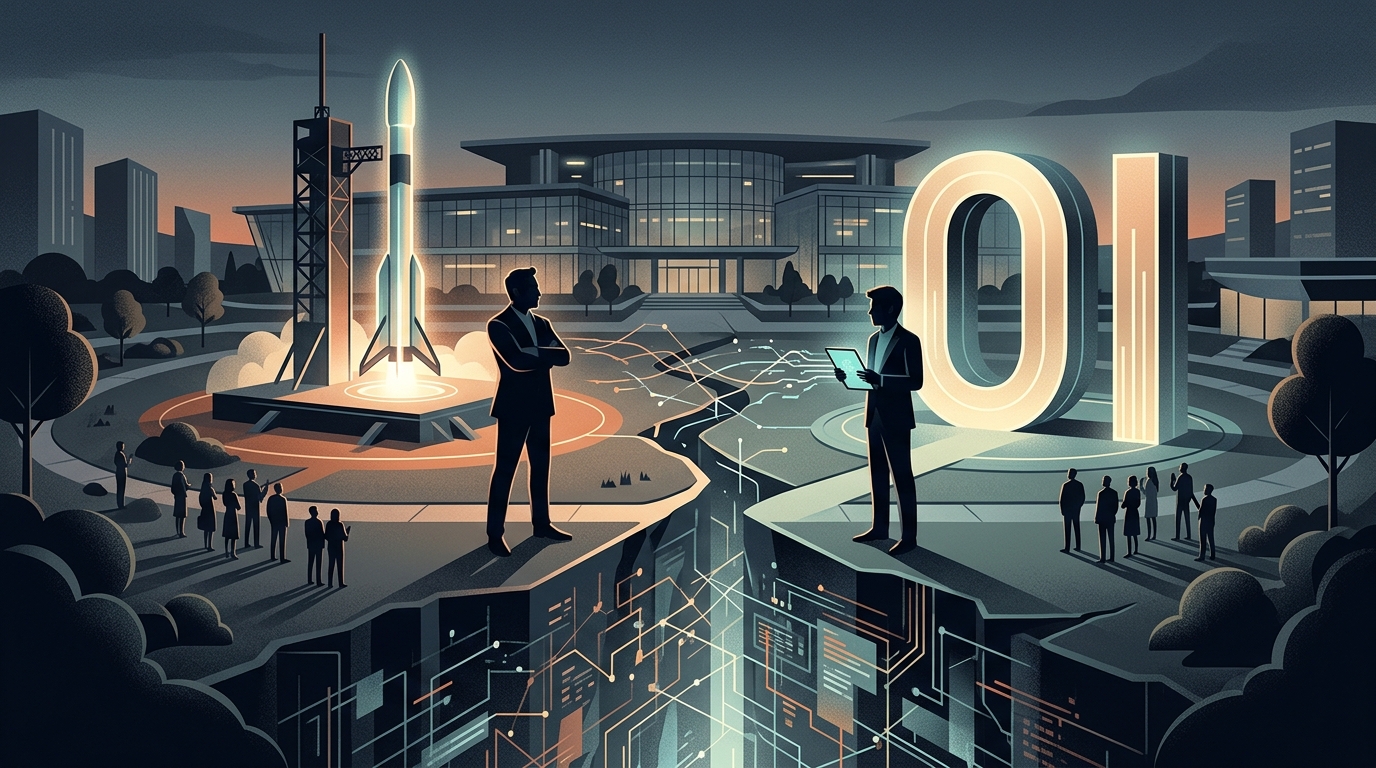
At the heart of the global financial and technological elite, a new anxiety is beginning to take shape, not through shouts, but through a paradoxical, awkward silence. The recent public dialogue between Jamie Dimon, the powerhouse of JPMorgan Chase, and Dario Amodei, the visionary CEO of Anthropic, was not merely an exchange of views on the prospects of artificial intelligence. It was a revelation of the magnitude of uncertainty prevailing at the highest echelons of power regarding AI's dark side: next-generation cyberattacks.
The Asymmetry of the Digital Threat
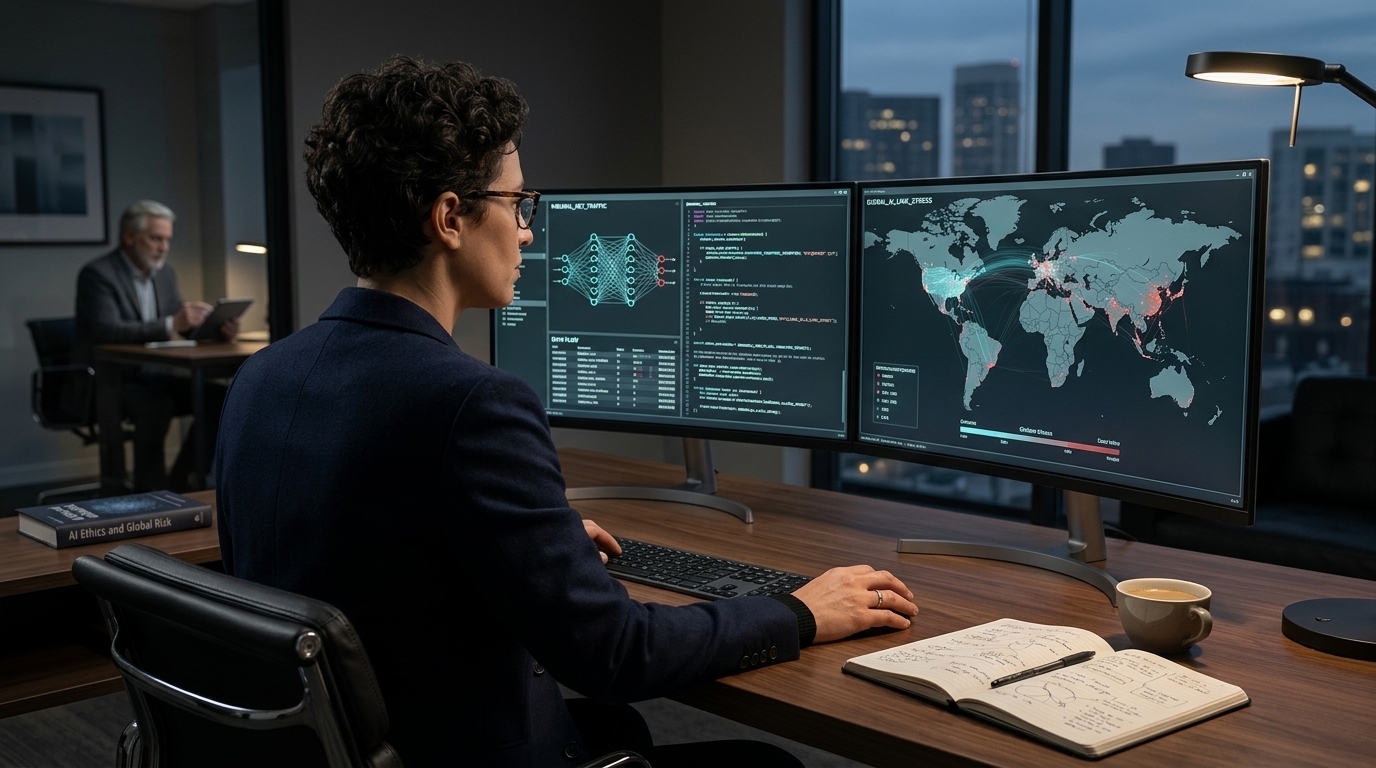
The core problem appearing on the horizon is not a lack of defensive tools, but the terrifying asymmetry introduced by artificial intelligence. Until today, a cyberattack required specialized personnel, time, and resources. With the advent of Large Language Models (LLMs), the ability to write malicious code, create highly convincing phishing attacks, and automatically scan for security vulnerabilities in complex systems has become accessible to much broader groups of malicious actors.
Dario Amodei, whose company Anthropic identifies as a leader in "AI safety," indirectly admitted that models are becoming increasingly capable of assisting—even unintentionally—in the development of cyberweapons. Despite the "guardrails" companies put in place, history has shown that every barrier is temporary. Amodei's silence on specific questions regarding how to prevent AI use by state actors to collapse infrastructure was deafening.
The Financial System in the Crosshairs
For Jamie Dimon, the issue is not theoretical. JPMorgan Chase spends over $15 billion annually on technology, with a massive portion directed toward cybersecurity. Dimon recognizes that AI is a "double-edged sword." On one hand, it can detect fraud in milliseconds. On the other, if an adversary uses an equally powerful AI to find a single hole in the global banking system, the consequences could be catastrophic.
- Automated creation of zero-day exploits.
- Personalized social engineering attacks at a scale of millions.
- Deepfakes capable of bypassing biometric identification systems.
- Self-evolving polymorphic malware.
The awkwardness of the two leaders stems from the admission that defense always lags behind offense. In the world of AI, this time lag can be fatal. Dimon emphasized the need for closer cooperation between the private sector and governments, but the reality is that regulators often lack the technical depth to understand the threats they are meant to contain.
Ethical Responsibility vs. Profit
One of the most thorny points of the discussion was the responsibility of AI developers. If an Anthropic or OpenAI model is used to paralyze a nation's power grid, who bears the responsibility? The answer remains blurred. Tech companies push for self-regulation, fearing that strict legislation will stifle innovation and give an advantage to rivals like China. However, Dimon, as a representative of old and traditionally regulated capital, knows that a lack of accountability is a recipe for systemic risk.
"Artificial intelligence may be humanity's greatest opportunity, but in the field of cybersecurity, it is like giving every aspiring criminal a nuclear lab in their pocket."
The strategy of "silence" or vague promises is no longer enough. As AI models approach Artificial General Intelligence (AGI), their ability to act autonomously in cyberspace will render traditional protection methods obsolete. Society demands transparency and specific security protocols that go beyond corporate secrets.
Conclusion: Toward a Digital Non-Aggression Pact?
The Dimon-Amodei meeting highlighted that we are at a turning point. Technology is no longer just a tool in human hands, but a factor changing the rules of the global power game. Their awkwardness is the awkwardness of an entire era watching control slip through its fingers. The solution will not come only from better algorithms, but from a radical reassessment of our relationship with technological power and the security of the infrastructure that supports our civilization.